

Managing nutrient pollution has been a global priority for years, with the expansion of intensive agricultural and animal husbandry sectors elevating this challenge to one of the most pressing Great Lakes water quality concerns. While in-field best management practices have long served as the standard for managing runoff, the emergence of a new generation of solutions is set to revolutionize the field.
Join Cleveland Water Alliance and the Great Lakes Commission HABs Collaborative for a dynamic panel discussion featuring industry experts and research leaders. Together, we will explore the latest advancements in nutrient mitigation technology and discuss how these innovative tools are reshaping the future of water quality management.
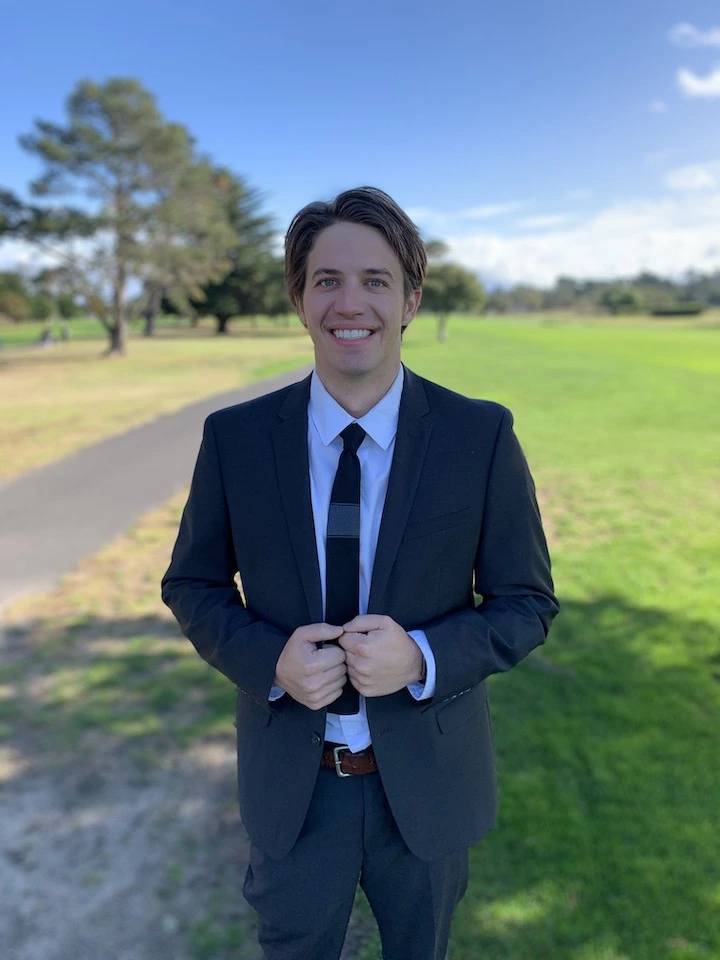
Parker Cohn is a soil engineering expert who helps farms increase the quality and quantity of crop yields while reducing the amount of water, energy, chemicals, and labor used. His business, Performance Resource Management, uses a unique combination of biological processes and remote sensing technologies to rebuild the soil on farms, golf courses, and professional sports fields with massive implications for global environmental conservation. These results include creating a healthier food supply, increased carbon cycling (which slows climate change), a cleaner water supply (via less toxic chemicals and runoff), and reduced carbon footprint, while allowing businesses to greatly reduce operating costs alongside improved crop health and yield. The water and energy infrastructure of agriculture in the west is a major threat to health and food security around the globe, and Parker’s systems are powerful answers we’ve been looking for to support soil carbon sequestration and move toward solving our climate crisis.
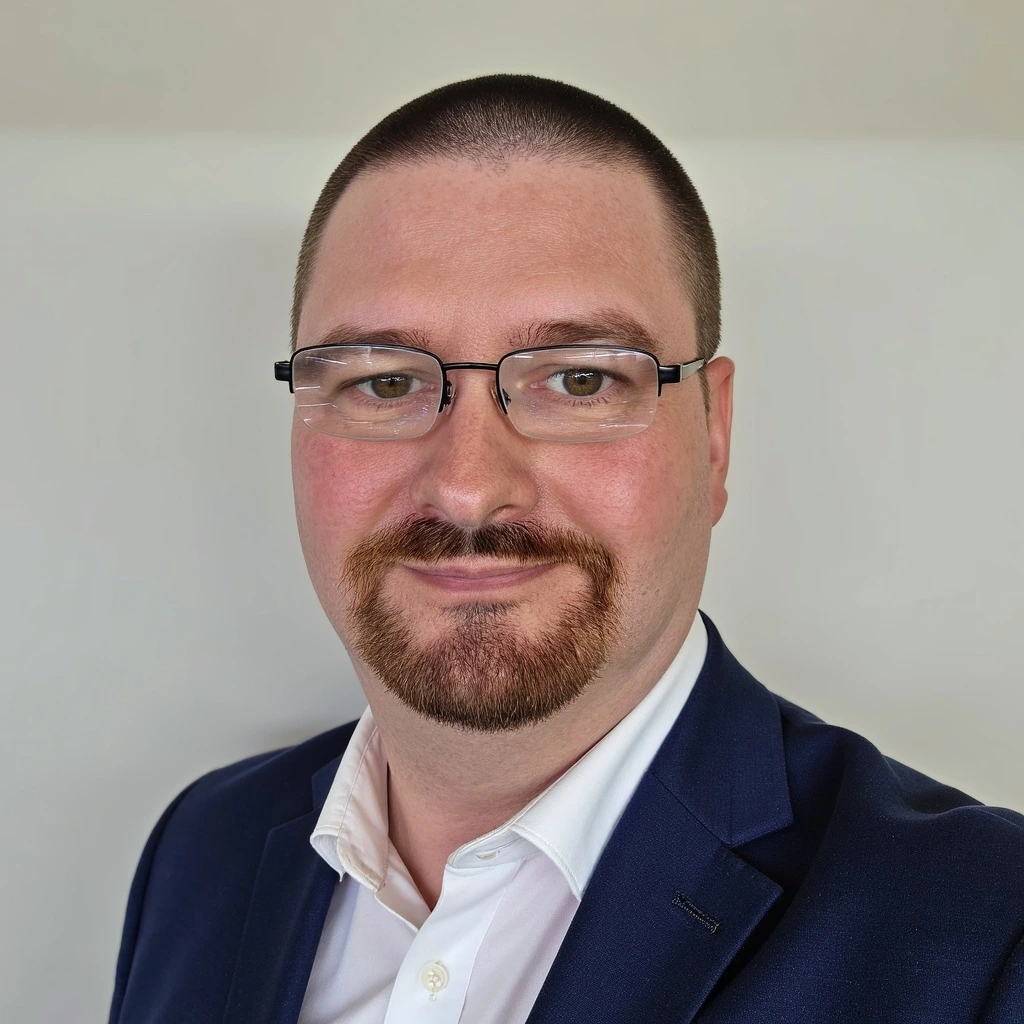
Joel Weber is the founder of Lakewater Nutrient Capture Ltd. (LWNC), a Winnipeg-based cleantech company offering a unique phosphorus removal service using absorbent materials to address the large eutrophic lakes that conventional treatment approaches have failed to reach.
Joel's path to water remediation is anything but conventional. He grew up on a family acreage in Manitoba, where practical problem-solving was a way of life from an early age. He went on to join a consulting engineering firm, rising from junior technician to head of the CAD department and developing a broad working knowledge across civil and architectural engineering disciplines. He became the person organizations called when complex, difficult projects had gone sideways — a reputation built on unconventional thinking and relentless follow-through. He later built a large-scale hay farming operation from the ground up with national and international sales, before pivoting to build an indoor farming business supplying fresh herbs and microgreens to Winnipeg restaurants and retailers — designing and constructing every aspect of both operations himself.
That combination of engineering, agriculture, and entrepreneurship gives Joel a distinctive lens on the phosphorus pollution problem: he approaches it not as a compliance exercise, but as a systems challenge demanding an elegantly simple solution. His guiding philosophy is rooted in the KISS principle — strip the problem to its fundamentals, resist unnecessary complexity, and build something that actually works in the field rather than only on paper. Applied to freshwater remediation, that philosophy produced a system defined by what it doesn't do: it adds nothing to the lake, deposits nothing on the sediment, and relies on no chemistry in the water column. It simply moves across the surface, captures phosphorus, and takes it away permanently — recovering it as a premium agricultural product in the process.
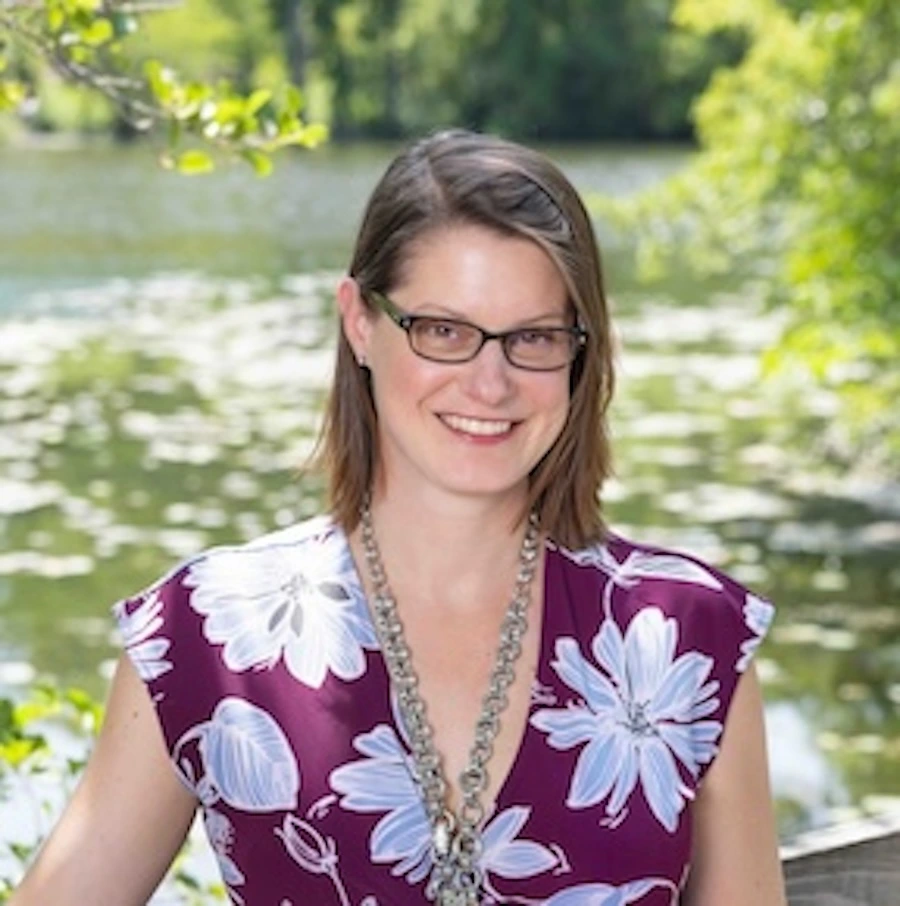
Dr. Silvia Newell is the Director of Michigan Sea Grant and a Professor at the University of Michigan School for Environment and Sustainability. She is a nutrient biogeochemist and microbial ecologist with experience working on Great Lakes issues. She researches the effects of excess nutrients from fertilizer and wastewater on inland and coastal waters, with a focus on harmful algal blooms in large likes like Lake Erie. She is currently funded through NSF Chemical Oceanography to study nitrogen dynamics in the Great Lakes, NSF DISES to work on nitrogen dynamics influencing nutrient loading to Lake Erie, the Ohio Department of Natural Resources to look at nutrient processing in constructed wetlands, NSF Chemical Oceanography to look at connections between nitrogen and mercury cycling in Antarctic coastal water, and the Great Lakes Fisheries Commission to look at ecosystem impacts on fish recruitment. Silvia also has experience engaging stakeholders to develop realistic pathways for nutrient reduction. Additionally, she serves on the board for a number of organizations (including the Earth Science Women’s Network, the Great Lakes Commission HABs Collaborative, the Saginaw Bay Monitoring Consortium Advisory Committee, the Science Advisory Panel for the Michigan Domestic Action Plan for Nutrient Reduction to Lake Erie), and is a past President of the Lake Erie Area Research Network.



.svg)

