

In September 2026, OpenAI coordinated roughly 10,000 AI agents to prove, in four days, a result about the Navier–Stokes equations (equations that govern water in motion) that had eluded mathematicians for decades. Who deserves credit for that result is still disputed, but the role of AI in it is not. AI now writes code, runs analyses, and completes research tasks that once took a skilled person days or weeks, and the corporate labs building these systems are well funded and moving fast. For everyone who works in water, from plant operators to researchers, the question is no longer whether AI will do technical work but which skills retain value when it does.
In a facilitated discussion, researchers, managers, and workforce development experts examine which analytical and modeling skills remain durable, and why demand is growing for people who can check what AI produces, direct the work of AI alongside the work of people, and explain results to those who act on them. Panelists will discuss what this means for hiring, for people already in water jobs, and for the pipeline of water sector talent.
The Water Data Forum is an interactive web series convened by Cleveland Water Alliance, the Water Environment Federation, the Water-AI Nexus Center of Excellence, and CUAHSI to demystify topics of water data for a broad professional audience. Topics in this free, virtual forum range from specific technologies to broader application spaces, exploring the full breadth of the world of water data.
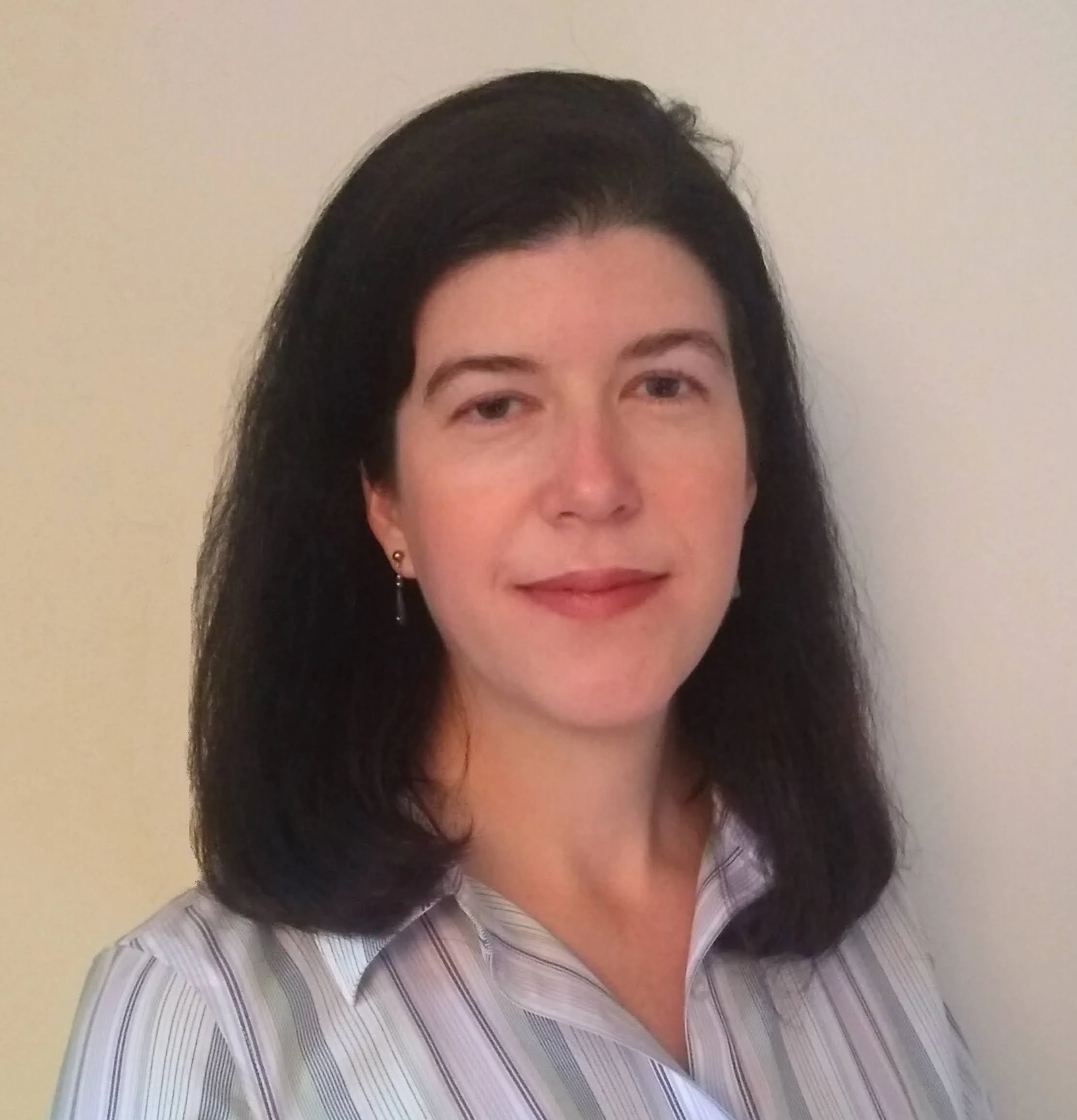
Dr. Alison Appling is a water data scientist with the U.S. Geological Survey (USGS), where she develops and applies machine learning and statistical methods – including tailored methods that build scientific knowledge directly into deep learning models – to understand water quality in rivers and lakes. She also manages water prediction projects that integrate multiple modeling approaches to support national assessments and local water management decisions.
Recognizing that good science increasingly depends on good artificial intelligence (AI) practices, Alison co-led development of a USGS AI Strategy, leads an organization-wide AI/ML community of practice, and helps shape agency policy on AI applications in science. She holds a Ph.D. in Ecology from Duke University and a B.S. in Symbolic Systems from Stanford University, and in 2025 received the Presidential Early Career Award for Scientists and Engineers, awarded by the White House to outstanding early-career researchers.
John Ikeda is Chief Mission Officer at the Water Environment Federation, where he leads education, workforce development, and strategic initiatives—including the Water-AI Nexus Center of Excellence—focused on advancing the practical use of data, analytics, and AI across the water sector. His work helps utilities and professionals translate emerging technologies into real-world operational and workforce impact.
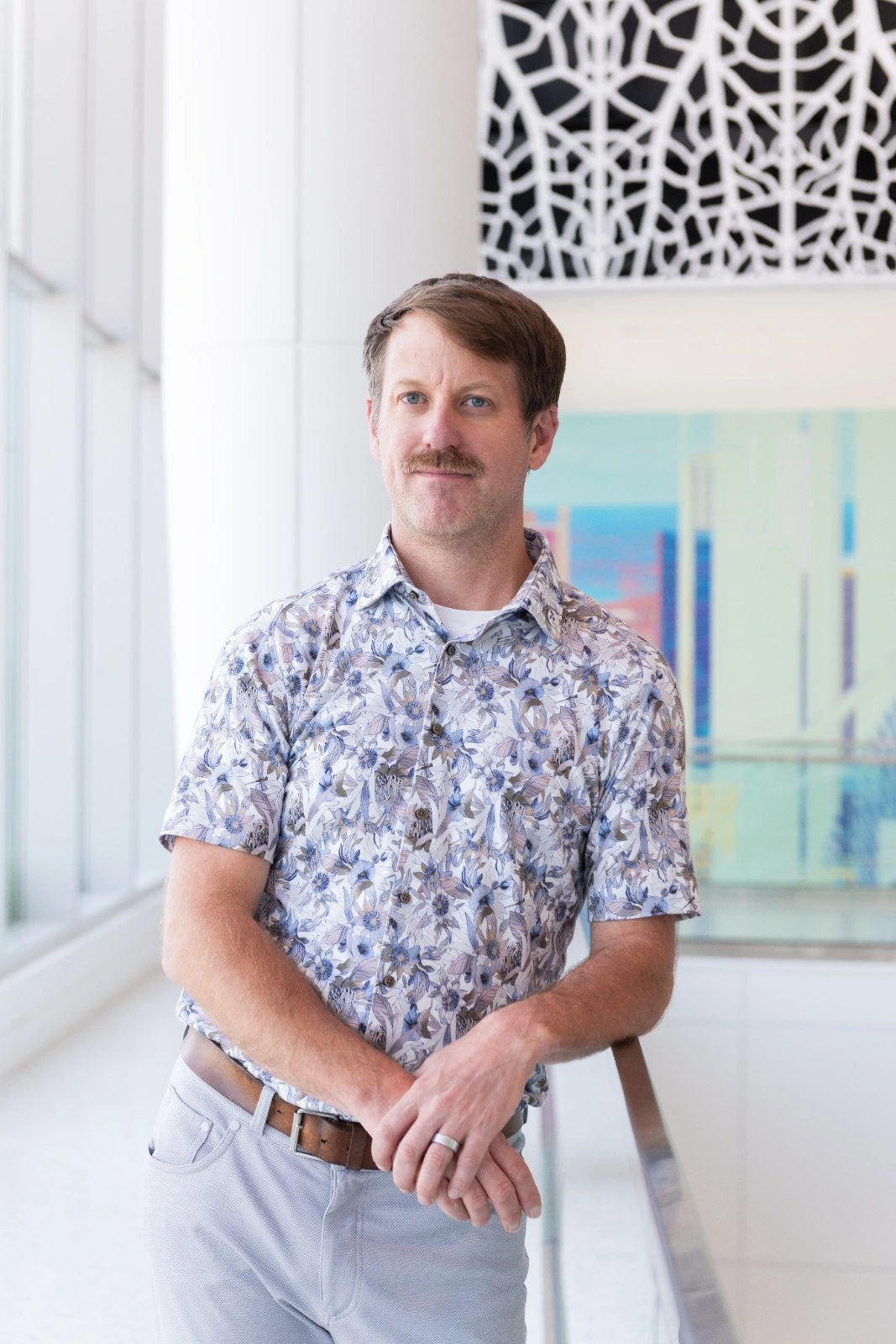
Ed Verhamme is a Principal and Senior Engineer at LimnoTech and was recently named president of Freeboard Technology, a new water technology start-up he co-founded as a subsidiary of LimnoTech. Ed is well known for his work across the Great Lakes region over the last twenty years to design, build, and maintain the next-generation sensing network that supports hundreds of thousands of boaters, key water managers, and critical infrastructure owners. In 2021, Ed served as the International Association for Great Lakes Research president and supports ongoing work to build robust public-private partnerships to tackle tough social justice and environmental issues.
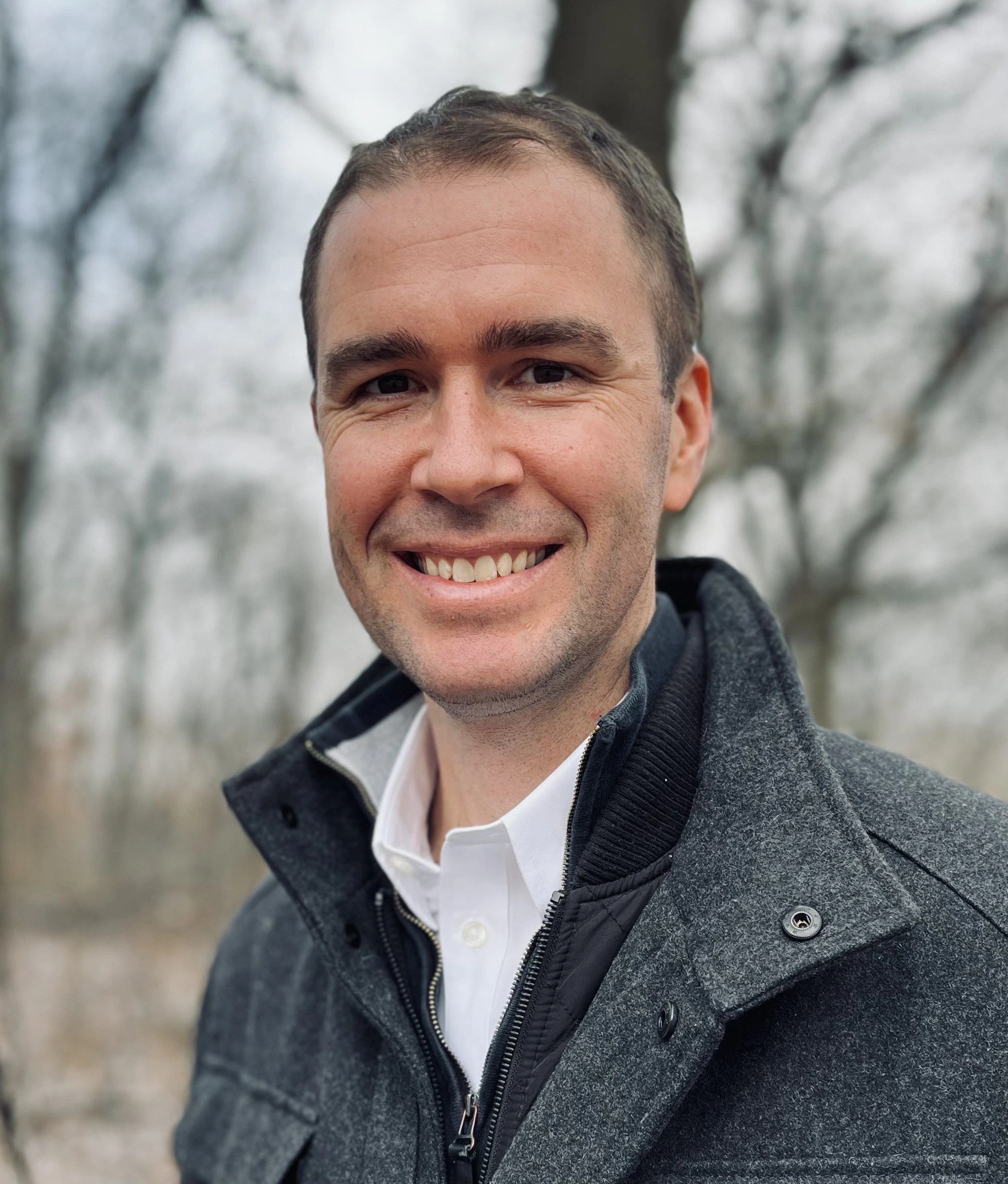
Jordan Read (he/him) is the Chief Executive Officer of the Consortium of Universities for the Advancement of Hydrologic Science, Inc. (CUAHSI), a nonprofit of 101 US university members that runs shared data and computing systems for water science, including HydroShare, and delivers training, workshops, and meetings that bring the water research community together across institutions. He sets CUAHSI's strategy, builds its partnerships, and is responsible for keeping the organization on a sustainable footing.
Before joining CUAHSI in 2023, Jordan spent a decade at the U.S. Geological Survey, where he established and led the Water Data Science Branch. The branch brought machine learning together with physical understanding of rivers and lakes, and it built the data pipelines and reproducible workflows that let a federal science agency deliver forecasts and predictions at national scale. That work included process-guided deep learning models of lake temperature, near-term forecasts of stream temperature to support water management decisions, and daily surface temperature estimates for more than 185,000 lakes across the United States.
His research background is in environmental fluid mechanics and lake physics. He has published on lake warming around the globe, on the controls of gas exchange across lake surfaces, and on community-built tools for sharing and analyzing data in environmental observing networks. His current writing and speaking focus on how AI agents are changing the way scientific work gets done, who is accountable for its credibility, and what that means for the people and organizations that do water science.
Jordan holds a Ph.D. in Civil Engineering (Environmental Fluid Mechanics) and a B.S. in Civil Engineering, both from the University of Wisconsin–Madison. He lives in Wisconsin.
%20(1).webp)



.svg)

