

The rapid growth of the water sector and the expanding sensing and monitoring industry are creating an urgent need for a specialized workforce equipped to manage next-generation technologies. Join CWA for a discussion on where current workforce needs stand, anticipated industry growth, and emerging talent gaps.
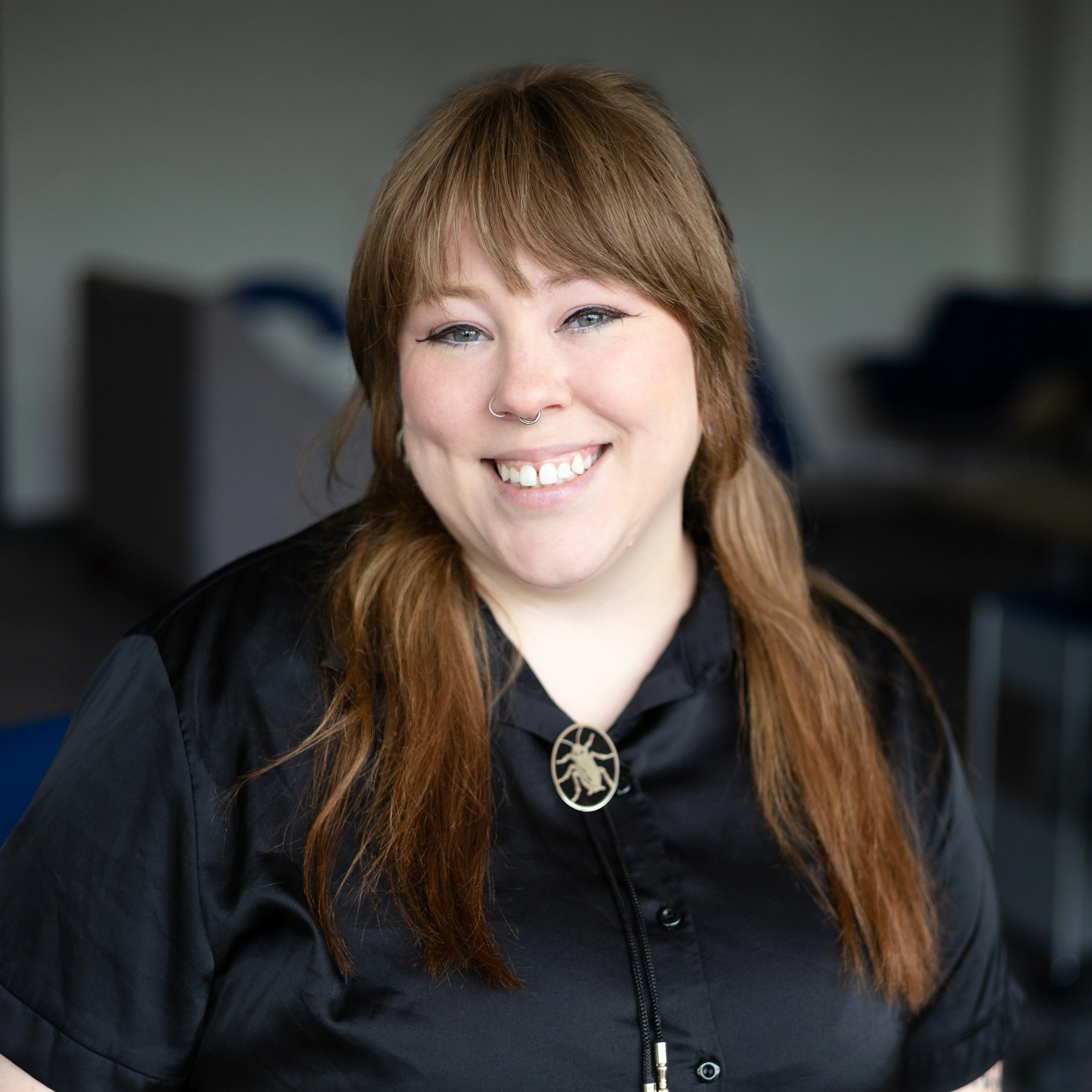
[00:00:00] Samantha Martin: Everyone for joining us this afternoon for a little lunch and learn on Ohio Tech Day today. We wanted to chat a little bit about the water tech workforce, what's going on, what's next and how this sector is evolving. Feel free to take us to the next slide. Thanks, Alyssa. I am Samantha Martin.
[00:00:28] I'm the Director of Communications and Engagement at Cleveland Water Alliance. Feel free to jump into the chat. I'd love to know... I don't know if everyone's from the Cleveland area or other parts of Ohio, or how you're involved in this sector, whether you maybe work for a stewardship organization, maybe you are a college professor.
[00:00:49] Feel free to jump in, but if you want to ask any questions throughout, I encourage you to submit through the Q&A. We'll have plenty of time at the end for Q&A. But any comments, feel free to jump into the chat All right. So harmful algal blooms is probably not a new term to anyone on this call but this is an example of an issue that needs to be solved.
[00:01:13] Same thing with microplastics. Same thing with oil spills and chemical spills. Flooding, that's a really big one right now, obviously. And sewage overflow. These are all issues, global issues, that present an opportunity for innovation for water management and creating solutions, and why not do that right here in Ohio?
[00:01:41] We have such an important history with water here, and that really makes us one of the highest concentrations of water expertise in the world. So at Cleveland Water Alliance, we believe that we can accelerate those water solutions here and benefit our regional economy. So what do we do? Our bread and butter is water tech innovation, and we accelerate water tech innovation by matchmaking tech creators with end users, by facilitating technology through the commercialization process, and we provide meaningful data to our water managers.
[00:02:20] So our watershed stewardship organizations, our utilities, the people taking care of our most precious resource, we utilize technology to relay data to them, all while attracting global businesses to Ohio. This coming week is a conference called WEFTEC where water... It's the largest wastewater and water treatment conference in the world, and it's happening in New Orleans, and we're gonna have team members there scouting technology, meeting with technology creators, and meeting up with people who can help us accelerate this technology.
[00:02:59] So we have a big place on this global water stage here in Ohio and in Cleveland And this sector is booming. There is a need, a growing need for this water workforce. A recent projection estimated that the water sensing and monitoring market is set to reach ten point three billion by 2032. So that means we need folks on the ground deploying and maintaining this kind of technology And these are just some of our workforce development partners, Argonaut, BW, Case Western, Cleveland State, Great Lakes Renew, OSU, and Thomas More University.
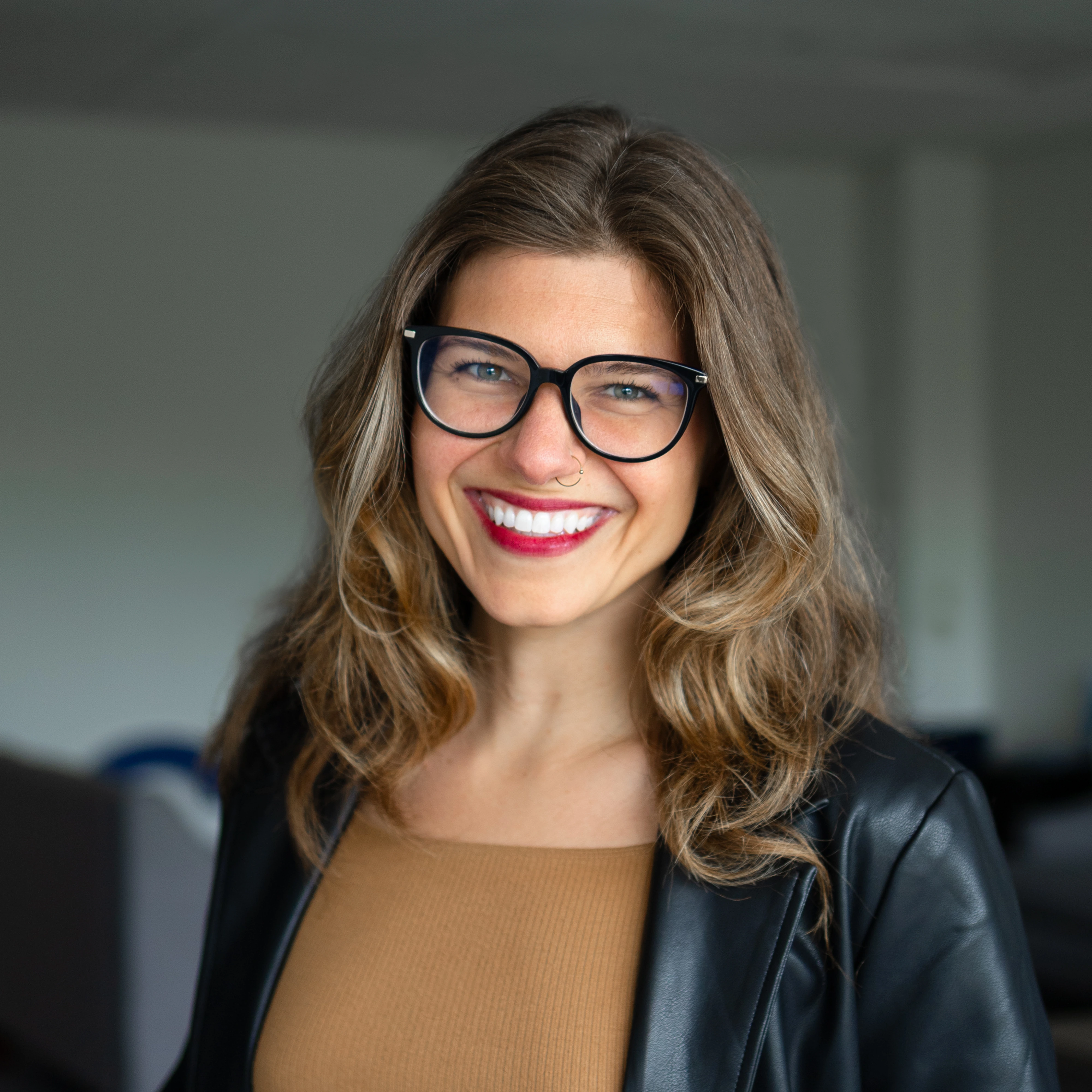
[00:03:45] These are just a few of the folks that we work with here, and we'll talk a little bit about some of these today And I am delighted to introduce my fellow panelists today. We have Emily Hamilton, she's our innovation advocate and deal flow analyst. She's the woman on the ground scouting technology, seeing who we can work with and how we can work with them.
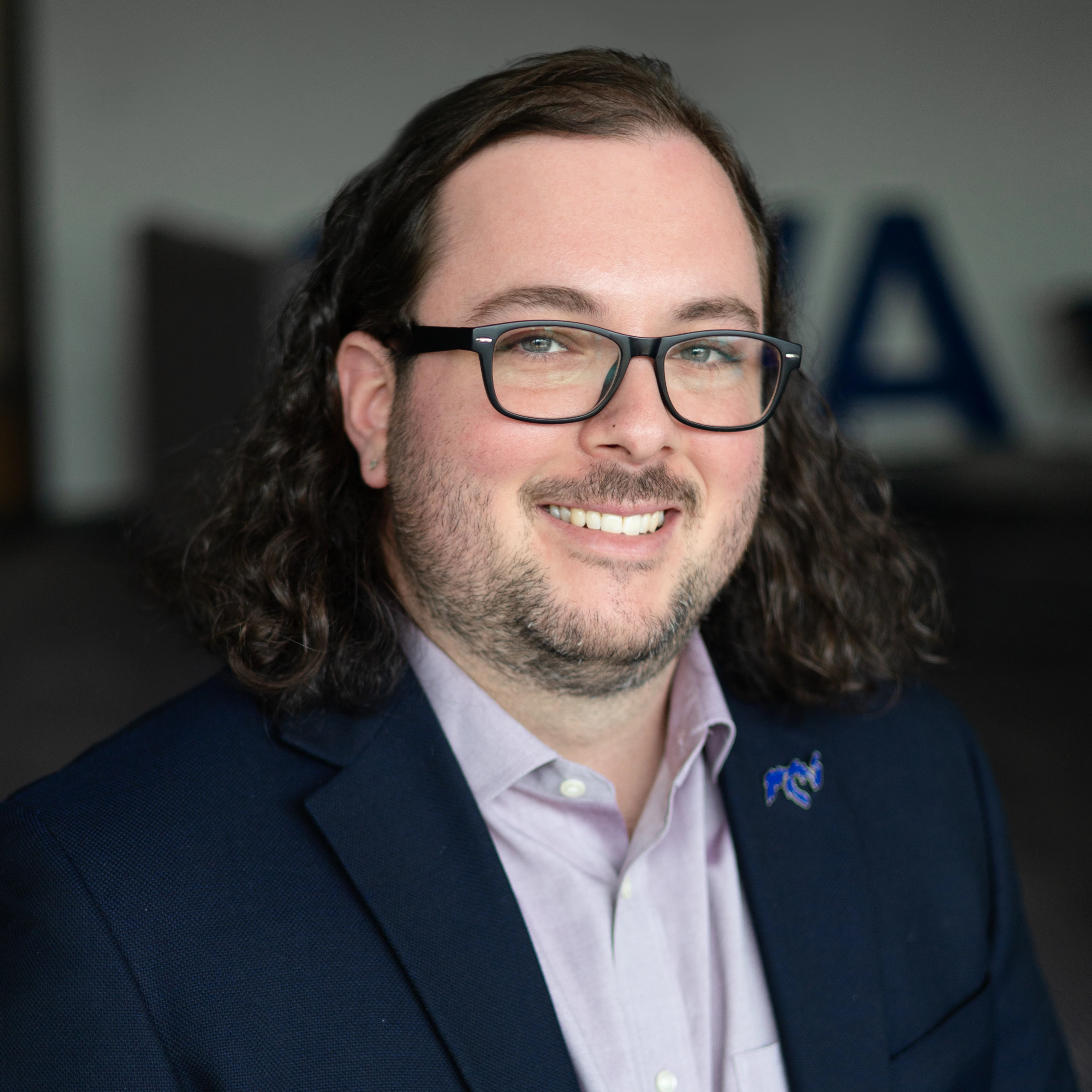
[00:04:07] And we have Max Herzog, our deputy director of programs and partnerships, who has really been a key ecosystem builder for Cleveland Water Alliance over the years. So let's get started with our conversation, you guys. I'll start with Emily. Emily, when we talk about the landscape today, when we say water workforce, what kind of jobs are we talking about exactly?
[00:04:32] Emily Hamilton: Sure. Thanks so much, Sam. So I think that some of the standard jobs that come to mind whenever someone says the water workforce is maybe a utility operator in the drinking or waste sector, or maybe an environmental engineer at a consulting firm or an engineering firm. But I also like to make sure to expand that definition to also include all of the different innovators that are developing new technologies, managing and deploying those new technologies.
[00:05:03] It takes water to do essentially anything industrially or to commercially, residentially. So there's really a broad swath of different types of career opportunities when it comes to water, and the ones that I tend to engage with are people with highly technical backgrounds or entrepreneurial backgrounds that are bringing new technologies and solving the most critical issues that face us.
[00:05:33] Samantha Martin: Thanks, Emily. And Max, any other types of jobs you want to highlight?
[00:05:38] Max Herzog: Yeah, I think as Emily said, often when people talk about the water economy or the water workforce, we think about utilities. But it's important to consider as well the private sector aspects of this industry in particular water intensive industries.
[00:05:56] So manufacturers data centers and others who use a lot of water rely on water as a key input for their processes. These folks also have to think about how they manage their source water, process water and wastewater in ways that are somewhat similar to utilities, but also require their own technology profiles and expertise.
[00:06:18] And then there's also folks who are involved in managing surface water resources, thinking about stormwater, thinking about source water the watershed groups and natural resource managers. These folks also have often an engineering background or an ecosystem research background.
[00:06:37] And the there's workforce needs in that space as well. Additionally, the marine tech space, thinking about folks involved in shipping and trade and the technologies that support and facilitate that area of the industry is really critical. And I think I saw Denver Peters on from our friends at Northwestern Michigan College up in Traverse City, and they have really amazing workforce development programs around that area of the industry
[00:07:08] Samantha Martin: Thanks, Max.
[00:07:09] So what makes the water workforce such an important and needed career path?
[00:07:17] Max Herzog: For sure. Like at a base level, water supports all of our lives and every aspect of our economy. As I mentioned around the industrial side of things, we often don't think of it this way, but water is a absolutely critical, if not the most critical input to all of our industrial manufacturing processes.
[00:07:38] And managing both our drinking water and our storm and wastewater are essential infrastructure that enable the sustaining of our communities and our cities. And there's a real diversity of skill sets that are needed to really enable the continued sustainability and growth in this area.
[00:08:02] And right now we're at really a tipping point, particularly in the utility side of things, the really significantly aging workforce that is likely to result in employment shortages in the coming decade. And so thinking about how we get young people excited and involved in the water workforce is a really significant and important challenge to be tackling and one that many organizations are as we'll talk more about And in addition to that kind of coming need to really engage the next generation, these issues are only gonna become more relevant over time as water stress and climate issues continue to grow here in Ohio, across the Great Lakes and, abroad.
[00:08:52] I think sometimes we think of ourselves as insulated somewhat from some of those impacts because we have such access to water. But flooding, water quality issues as you mentioned earlier, these are issues that will require constant maintenance. And then also in kind of the modern era, cybersecurity and thinking about the resilience of the actual built infrastructure as well as ongoing maintenance.
[00:09:15] These are big areas for not just needing to meet the status quo in terms of employment but actually grow the workforce significantly if we're gonna continue to grow as a society into the future.
[00:09:28] Samantha Martin: Absolutely. And in that technology realm we have, at Cleveland Water Alliance, we've created the Smart Lake Erie Watershed.
[00:09:37] It is the largest digitally connected freshwater body in the world. So over the Lake Erie watershed, we have a telecommunications network that spans nearly 8,000 square miles, and it not only relays real-time data, but it also acts as a plug-and-play sandbox for sensing and monitoring technologies.
[00:09:59] As I said, that's a huge opportunity right now and is just continuing to grow. So Emily, when we say sensing and monitoring technology, what exactly are we referring to and, what does that look like in the field?
[00:10:13] Emily Hamilton: Thanks, Sam. There is such a spectrum of different types of technologies because there's so many different parameters that are of high interest for various different reasons.
[00:10:26] For example, you might be monitoring the weather with something like the weather station buoy that you can see behind me on Lake Erie that is deployed and maintenanced by CWA. That could i- impact various different industries like recreational water usage, the maritime industry, how we're providing information to the people who tell us what the weather is going to look like.
[00:10:52] We're also gonna wanna be able to assess the temperature of the water, the levels of the water, what kind of resources and rain we've had, if there are harmful algal blooms as a threat, like you mentioned earlier in the presentation, if the conditions are correct for that kind of occurrence. If there's low oxygen, which can be something that's damaging to aquatic life or will affect drinking water utilities and their operations if they intake from Lake Erie.
[00:11:29] So there's just this really broad spectrum of different parameters that impact our everyday lives in ways that we don't see, and there's different variations of technologies that monitor those data points and feed them to the proper stakeholders so that they can make decisions based on the information that they're receiving.
[00:11:49] And then also, that technology increasingly in our work at CWA is moving inside the actual plant operations as well. We're interested about contaminants of high concern and how different industrial activities may impact the environment as the effluent leaves those, those facilities. We're interested in the water usage and how we're making it more efficient and both from a water usage and energy standpoint.
[00:12:23] And all of that requires us to be able to see the data and make decisions based on that data and build this backlog of information about how water is being used, what the conditions of the water a- is and are so that we can predict what the future of the water looks like. And there are Many, different devices, technologies, and systems that often interplay with each other in order to be able to achieve those goals.
[00:12:57] Samantha Martin: And it's always really interesting when you see technology in our test bed that has had other non-water applications or innovators that have a totally different background and realize that their innovation can work with water or help water differently as well. So it's been cool to see all these different areas of expertise rally around water and center water again.
[00:13:23] And just this past week you were in Cincinnati dropping off some sensors there to Thomas Moore University, which is right on the border there on the Ohio River Valley. Can you talk a little bit about how we've worked with them and, other partners like Argonaut?
[00:13:40] Emily Hamilton: Absolutely. I'd like to go back to just a point that you made that I think is a very Cleveland example of different technologies recognizing their application to water.
[00:13:50] And because we have such a advanced kind of medical industry and really state-of-the-art hospitals in Cleveland, the type of tech transfer that we see frequently is from the medical industry to the water industry because those are very transferable types of technologies and concepts that feel so Cleveland to me the two things that define our region and the Great Lakes at large in a big way. In terms of Thomas Moore University, I had the pleasure of hand-delivering a unit that is capable of detecting nutrients in environmental waters. That's nitrate and nitrite, which is often one of the nutrients that contributes to algal blooms and growth in waterways, and is particularly important in the Ohio River context because one of their main algal species is nitrogen limited rather than phosphorus limited, which is more common in what we see in Lake Erie.
[00:14:57] And Thomas Moore is a wonderful partner for this because they have a sensing station right there on the Ohio River, which is allowing us to expand our operations downstate. They have students that are capable of operating it assessing the data as it comes, maintenance-ing the unit, and also getting that real-world experience doing something very material in the sensing in water or sensing and monitoring of water industry that will give them career guidance and expertise as they get ready for graduation and enter into the workforce, while also benefiting CWA in our goal of understanding the region's water resources.
[00:15:44] Samantha Martin: Absolutely. We are really fortunate in our region to have had a partnership with organizations like Argonaut which was located in a CMSD school on the water that offered maritime career paths. Could you talk a little bit about how we've worked with them in our maintenance and deployment structure?
[00:16:08] Emily Hamilton: Absolutely. So the maritime focus of Argonaut is extremely beneficial to both the students who are going to be entering into the career into the workforce, and have these ready-made careers with all of these really excellent experiences. They often are graduating with their captain's license and boat experience.
[00:16:30] And CWA requires access to boats, access to the water, and also expertise and maintenance of all of these buoy stations that we're operating and all of the, all of this kind of swath of Lake Erie watershed that requires a lot of effort, collaborative effort to maintain and run. And while the students are getting experience in what will eventually become a very clear and fruitful career path for them, we are also gaining insights and support in moni- in our e- efforts to monitor and sense Lake Erie, the Lake Erie watershed, and collect those data.
[00:17:16] I'm sorry, those the data that we share with our partners that give us deeper insights.
[00:17:23] Samantha Martin: Yeah, it's been a really incredible relationship that not only we get to teach them about what it takes to calibrate and maintain a sensor because a lot of organizations or companies or startups that deploy with us have never deployed on a body of water as big as Lake Erie, as rough as Lake Erie, with the same nutrients as Lake Erie, right?
[00:17:46] It's the most biodiverse of the Great Lakes. And a key part of sensing and monitoring is dealing with anti-biofouling, right? And so whether that's algae that gunks up the sensor or bird droppings or anything else in the natural world that can keep an optical sensor from working, that's an im- maintaining that is, is an important part of the technology process.
[00:18:10] And then we were able to, I know, equip them with a crane g- give them some grant money to equip them with a crane to actually physically deploy our buoy. So the relationship became so symbiotic where not only were they learning about this workforce opportunity, they became really integral to our deployment process as well.
[00:18:28] Because as much as I'd love to have a million people with boats on speed dial, I do not. So when we gotta get out there on the buoy they've been really, clutch for that. But universities and higher education programs are not only integral to training this next generation of the workforce, but they're, integral to the innovation process as well.
[00:18:53] Max, could you talk a little bit about how we've engaged with some regional universities?
[00:18:59] Max Herzog: Yeah, for sure. I think this engagement can really look like two, two different things. Universities are a real generator of innovation. Engineering departments and others are developing new technologies every day and are a real source of some of the devices that we support and trial in our test bed and engage in, supporting around commercialization over time.
[00:19:29] CSU, Cleveland State University, is a great example of this. They've been developing IoT technologies, sensors, and telemetry that they've been testing in the field with us for some years. Baldwin Wallace University, again, here locally in Cleveland has been a great example of this.
[00:19:48] They've leveraged some of the sensors that we have in our lending library and have deployed to support deployment of some early-stage technologies around water-based power generation which has a fun tie-in as well with workforce development. Both of these projects do because these are labs that are innovating, and labs engage students directly in the process.
[00:20:13] And in a lot of ways, the innovation and the workforce development in those cases go really hand in hand and are equally prioritized in the processes. We also get really robust technical support from some of our local academic institutions that really amplify our capacity to support different innovators and different stakeholders.
[00:20:33] For example, Case Western Reserve University a great source, again, for innovation in surface water and in drinking water but also they help host and build out our data infrastructure that allows us to provide data to drinking water utilities and others. And then of course, there are also academic institutions that are really focused in specifically on different aspects of work-workforce development in the water space.
[00:21:01] Working with Ohio State University on their climate resilient workforce project, they're really focused on training up the next generation of folks who will be doing surface water and storm water management across Ohio and across the Ohio Lake Erie Basin. Folks again, up in Traverse City at Northwestern Michigan College, really locking in on the future of marine technology and preparing the next generation of folks to support not just shipping, But also the sensing aspects of that.
[00:21:37] Operating drones and, unmanned vehicles and the next generation of technology and expertise that will be required there. And then maybe finally the Great Lakes RENEW the NSF engine that we're a part of based out of Chicago with our partners there Current, they have a really broad in academic consortium that's engaged in a wide range of different workforce development activities and in generating new innovations.
[00:22:06] There's really we're ju- naming just a handful here of some of the academic institutions active in Ohio and across the Great Lakes in these spaces.
[00:22:15] Samantha Martin: Thanks, Max. Emily, any other ones you wanna call out?
[00:22:18] Emily Hamilton: Absolutely. I think that one of the things I'd like to add to the, point that Max was making about universities and research institutions being a hub of innovation excellence and tech excellence, is they also have infrastructure for entrepreneurial support.
[00:22:35] So once you develop those technologies that are gonna solve the real world issues that we're learning about, they also have patent support. They have networking opportunities. They have resources to connect you to organizations like CWA, who will help you deploy your technology and get you tapped into this industry in a way that is scalable for a new technology.
[00:23:01] We have in particular this season, worked with a professor from CSU who developed an electrochemical sensor for microbiological contamination detection. We worked with the Metro Parks, a local organization that we're all familiar with, that often hosts these technologies for us and helps with the deployment aspects.
[00:23:26] And one of the ways that this engages with workforce development is that this professor's students were actually engaging in 3D printing the nodes for this electrochemical sensor, and that is some concrete real world experience in not only learning how to utilize the lab space learn about how electrochemical sensing components might work, and how they need to be developed in order to be deployed in the real world, or what prototyping looks like.
[00:23:59] But it's also a part of this innovation ecosystem, and how these things happen, and how many players it takes to come together and collaborate just to get a single prototype out into the field, gathering data, and learning how to trial and iterate on your technology solution and move to the n- next stage.
[00:24:20] That may be commercialization or maybe adoption from a major stakeholder, getting feedback from the people who are actually gonna be utilizing it. And all of this is a type of education for students who are thinking about their next career steps that is invaluable because it's real world, and it doesn't really exist outside of actually doing it
[00:24:48] Samantha Martin: There we go. Thanks, Emily. That's a really cool example, and just what a cool way to involve her students in, in this process. Another topic beyond the water space is obviously AI right now. That's a hot topic in and out of the water space. But especially as it relates to the water space there's a lot of opportunity for innovation right there.
[00:25:14] Max, can you touch on some of those opportunities that we're seeing right now?
[00:25:19] Max Herzog: For sure. Yeah for a while now, we've been seeing innovation in terms of leveraging machine learning to automate image-based analysis. And this is something that can really accelerate the identification of water quality challenges, whether that's operationalized in a real-time sensor or something that just automates processes that used to be conducted you know, with a human looking through a microscope.
[00:25:49] This can greatly accelerate our identification of things like invasive species, different strains of harmful algal blooms et cetera. And so that's really continuing to advance in this age of, AI now. Additionally thinking about the use of agentic AI in infrastructure management, I think we're really seeing some of the more forward-thinking utilities as well as industrial end users of water leveraging the data that they're collecting across their systems together with AI agents to produce sort of threat alerts or recommendations to operators.
[00:26:35] And this is in its early stages now, but I think in the mid, mid, midterm future, we're going to be seeing drinking water and wastewater operators working hand in glove with AI to receive sort of updates and recommendations that are then evaluated by highly trained human operators to determine next steps.
[00:27:00] I think there is some very well-founded understandable fear about full automation of water systems with AI, and I, don't really see that happening in the future. But I do think it will greatly increase the efficiency of how we identify leaks, water quality challenges, infrastructure failure and hopefully moving more towards a predictive approach versus waiting until there are failures or threats.
[00:27:30] And then finally just thinking about AI and, the data centers that fuel it water use there is an opportunity for innovation. And I think it's really bringing water use by industrial players into the public eye but it's really broader than data centers, right? Like especially here in the Great Lakes region and in Ohio increased use of water by industrial players and by agriculture are really some of the biggest factors that are introducing the potential for future water stress and thinking about ways that- AI can enable that and technology can mitigate some of the water impacts that AI may have are, are really important to consider.
[00:28:15] And I guess I'll mention as well there are-- there is a lot of thinking and a lot of work going into how we tackle some of these industrial challenges. Again, thinking about Great Lakes Renew on the NSF engine that we're supporting through our test bed, there's really a focus on navigating some of these wastewater challenges in the industrial space both critical contaminants, but also recovery of minerals and nutrients from wastewater streams.
[00:28:45] And there may be roles for AI in helping to accelerate some of those processes as well.
[00:28:51] Emily Hamilton: If I can add to that point a little bit. I think that AI being integrated into a lot of the operations that we're already very familiar with from a water management perspective, a lot of the working roles that are gonna be highly, necessary are closing the gap between what's possible and what's currently being done, and how to develop the landscape of what it looks like to integrate those two things.
[00:29:21] There are lots of concerns that Max brought up about just handing over operations in a very hands-off way to some sort of AI-based process and not having a human behind that decision support, and that's not what the future is really gonna look like. What the future is gonna look like is having people who maybe grew up with these tools, understand these tools, and studied these tools and in various different contexts, understanding how to implement them in a gradual way and close some of those information gaps, and consider the cyber sear- security concerns, the energy consumption concerns, the just day-to-day operational concerns, what kind of training is gonna be necessary, and that's a huge workforce opportunity.
[00:30:11] Those are really highly skilled positions that are gonna require lots of different individuals to collaborate and decide how to get this done in a gradual, scalable way. Because the technology is there, the need is there, but we have this large gap, and part of the solution to the, that gap is technically gifted individuals who are willing to engage with it.
[00:30:39] Samantha Martin: Yeah. This is a great opportunity. We had a, a question come in through Q&A, and I think this is a great place to put it. It ... They asked about how other education and workforce partners are involved or can be involved community colleges, technical schools. Emily, can you speak... Just expand on what you're saying here a little bit more and about how needed these other industries and skills are for this sector right now?
[00:31:08] Emily Hamilton: Absolutely. I'd like to call out that Argonaut is working with high school students. Those are high school students that are going out, and yes, they are knocking zebra mussels off of our sensors, and wiping wipers, and managing biofouling, but they're also engaging with IoT technologies and learning how to maintenance them and what their various different purposes are.
[00:31:31] And those are, in many cases, a 16-year-old, a 17-year-old doing that. And high schools having technical programs like that, that has very concrete real world opportunities for students to engage in, and also just understand the landscape of how broad the career opportunity is here. That there is really a place for anyone interested in water that we have so many different places where expertise and experience and trade knowledge is necessary.
[00:32:05] I think that trade schools engaging with the innovation ecosystem, the sensing and monitoring technologies that are entering into the market now and becoming more and more so part of an operating system, and ensuring that they're preparing their students to understand how this is gonna change the future of the industry, and what the industry looks like right now as they're being integrated slowly.
[00:32:32] Our community colleges are wonderful partners as well. Those are really necessary centers of knowledge and expertise and guidance and resources that hopefully we can train up a workforce that will stay here in Cleveland and help us operate these systems, stay here in the Great Lakes and help us operate these systems.
[00:32:53] But it really is a community-based approach to identify what changes are being made, and where people are gaining knowledge and learning things, and planning for their future careers, and engaging with all of those different aspects. That might look like a high school intern, that might look like a trade school or a community college.
[00:33:16] That might look like the Great Lakes Science Center and students going on field trips and learning about what technologies are being deployed on our lake at a grade-appropriate level. There's room for everyone
[00:33:31] Samantha Martin: Yeah, I think about what you say often, Emily when you talk about our test bed and our testing capabilities, is that we work within the entirety of the IoT life cycle.
[00:33:41] So anything that has to do with IoT, which means Internet of Things, can be related to water, whether that has to do with telecommunications tower climbers climbing up th- on tops of buildings and water towers to put our telecommunications network up, or electricians, or anyth- we've tested gateway extenders.
[00:34:09] We've tested batteries. There are so many needed skills that, A, are already being applied to water or are going to be applied to water very soon. We're already seeing climate migration happen from other water-stressed regions to the Great Lakes. That's why projects like Great Lakes Renew are really key and are helping to corral our region together to, prepare and elevate us from infrastructure to workforce to prepare for more industries and more populations to be in our Great Lakes region.
[00:34:52] And so to wrap up these, these thoughts here Max, what would you say to any student interested in this career path or any professors who want to get their students engaged in water?
[00:35:08] Max Herzog: Yeah, for sure. I think, I guess what I would share is that whatever your interest and your focus there's likely to be a career path in water for you, whether you're interested in engineering, you're interested in research, you're interested in becoming an entrepreneur interested in policy work.
[00:35:31] There's really a lot of different ways to engage with water. And when we say the water workforce, that covers so many things, as we've said, utilities, private industry, academia natural resource management. And in all of these things are interconnected and interrelated, but there are so many different ways to approach it depending on what your interests are.
[00:35:56] And so I guess that's what I, how I'd really encourage folks is thinking about water as that motivating force, as that thing that gets us excited and, passionate about doing what we can to support our environment and support our communities and, pursuing it in the ways that, that match with your interests and the opportunities will be there.
[00:36:18] Samantha Martin: Absolutely. And we've had a lot of bespoke conversations with education leaders and whether we were the connector or we connected them with other leaders in our region we want you to be asking this, these questions. We want you to reach out to us if you'd like to learn more and be engaged.
[00:36:41] The Cuyahoga County has now started up the Freshwater Institute and is also working in this realm. We have some of the top utilities in the nation right here in our region. We have this well of expertise from the polymer and materials industry to the innovation labs and, like you said, Emily biotech and bio health.
[00:37:07] Our community is such an incredible well of resources, and we want to be a, pun intended, rising tide together because this is now, needed now more than ever. Water stress issues aren't going anywhere, and we believe that we have the power to create solutions here and create an economic impact by doing so.
[00:37:37] So we had a couple Q&A questions come in. We've answered a few of them in real time, but if anyone has any other questions, please feel free to chime in. Again, feel free to reach out via our contact page on our website as well, and we'd be happy to chat with you. Emily, why don't you talk a little...
[00:37:57] We touched on this very briefly but w- A lot of these conversations happen just by figuring out what the strength is of the organization, what they have to offer, what they're looking for, what sets them apart. And so for example, our relationship with Thomas Moore University, they had a really incredible bio station, really incredible access to the Ohio River Valley, and we were able to really put our heads together to see how we can make it mutually beneficial.
[00:38:27] Have there been other relationships like that you know of that we said, "Oh, here's what you do well, here's what we do well. How can we work together?"
[00:38:35] Emily Hamilton: Absolutely. That's the story of the test bed really- Is, all of our extremely valuable partners that we have that have dedicated time and energy to learning about what we do, and we've done the same for them.
[00:38:50] And trying to figure out where their needs are, where we can fill in and vice versa. I think I would be just- terrible not to mention our wonderful partnership with Old Woman Creek that is operated by ODNR, and how many different sensing and technology, sensing and monitoring technologies we've been able to deploy with them that helps them gain a deeper understanding of the estuary that they're monitoring and the unique environmental situation that is happening every day there.
[00:39:28] While we've also had an opportunity to bring innovators from all over the world with new technologies that we ha- that have not previously been deployed in the Great Lakes, gaining insights into what this region's economic development landscape and water industry landscape looks like, get valuable feedback from the stakeholders, and hopefully drive some of that economic development to Cleveland and see if we can't get them to manufacture here or operate here.
[00:40:01] And I think that the s- the process for that is trying to understand what CWA does best, what our partners do best, and how can we collaborate to do it better together. Max brought up Traverse City, our friends out of Northwestern Michigan College who have a very deep experience with the maritime industry, which can be very helpful for us when we see...
[00:40:28] Certainly, S- Cleveland is a port city, but we have a little bit less experience at CWA with maritime activities, and we're able to leverage their expertise and their knowledge to increase our experience with that. S- They have deep expertise in an increasingly high-interest technology that are autonomous vehicles that are either rovers on top of the surface of the water or going underwater, and those might be cleaning up debris.
[00:40:58] They might be sensing and monitoring. They might be surveying the bottom of the lake. There's all sorts of different applications for those types of technologies, and CWA is learning from our friends in Traverse City how to best assist with the deployment of those types of solutions, and also what their place is in the Great Lakes.
[00:41:20] Samantha Martin: Thanks, Emily. We had a question come here asking if we're willing to serve as a content expert or SME to help other regions develop similar capacity and collaboration. And in some ways we do. We are what's known as a water cluster. There are water clusters all over the world, both within the US but in the Netherlands, in Singapore, in South Korea, in Catalan, in Spain.
[00:41:48] And we have MOUs with peer clusters to help exchange ideas and innovations because the, needs and the access is, different sometimes. And oftentimes we'll see a big driver of innovation is legislation. So in places that might have stricture- stricter legislation when it comes to things like PFAS or microplastics, there might be more innovation happening overseas, and we might have a willing and ready partner to want to test that technology.
[00:42:17] So depends on the context. We'd be happy to chat more. Please feel free to reach out. Max, anything else to add to that question?
[00:42:24] Max Herzog: I would just say if folks are interested in a conversation about what it would mean to engage in this sort of work in their area, we're happy to speak with you about that.
[00:42:33] Samantha Martin: Awesome. All right, I think that's it for today. Thank you so much, everyone, for your participation. Emily and Max, thank you so much for chatting with me today and we look forward to hearing from you. And reach out via our website. We'd be happy to chat. Thanks, everyone.
[00:42:51] Emily Hamilton: Thanks, everyone. Bye.
Emily Hamilton is an innovation and water technology commercialization professional with a background in start-ups. As Deal Flow Analyst for the Cleveland Water Alliance (CWA), she specializes in identifying and advancing promising early-stage technologies, managing a pipeline of domestic and international innovators, assisting them with technical development, market alignment, and commercialization. Adept at translating complex technical concepts into actionable insights, including assessing technology readiness, identifying market opportunities, and analyzing regulatory and end-user dynamics. Emily helps accelerate innovation and drive sustainable economic growth in the region’s water sector.
Max Herzog is an impact professional dedicated to engaging cross-sector stakeholders in the development of tools and strategies that drive community innovation and resilience at the regional level. Since 2016 he has worked at the nexus of intelligent water systems, technology-led economic development, and collaborative Great Lake management as a Program Manager with Cleveland Water Alliance.
Max holds a BA from Oberlin College in Political Science and Environmental Studies.
Samantha blends a background of mission-based storytelling, collaborative stewardship, and process creation. She is passionate about engaging in her local community, serves on the Cuyahoga River AOC Advisory Committee as well as the Cleveland 2030 District Board. She holds a BA from Baldwin-Wallace College in Public Relations and Political Science.
.webp)


.svg)

