
Cleveland Water Alliance recently facilitated the deployment of a CSU-developed electrochemical sensor at Cleveland Metroparks' Garfield Park Pond. This technology monitors sediment to provide water managers with real-time proxy data on bacterial indicators like E. coli before contamination impacts public recreation.
Listen to this article
%20(1).webp)
.webp)
.webp)
.webp)
Advancing critical technologies to solve global water challenges requires more than just innovation: it takes collaboration across industries and direct access to real-world testing and vital feedback. At Cleveland Water Alliance (CWA), we have built an ecosystem focused on providing the vital connections and field validation necessary for adoption. By bridging the gap between innovators, Ohio’s top-tier research and academic institutions, and operational partners, we are able to accelerate the commercialization of cutting-edge technologies that protect our vital water resources.
CWA recently facilitated a technology deployment at Cleveland Metroparks, featuring a cutting-edge sensor created and developed at Cleveland State University (CSU). By managing the field logistics and connecting these regional partners, we are helping to advance a local innovation that tracks harmful bacterial indicators right at the root source. Hear more about this collaborative deployment by listening to our recent conversation on Ideastream Public Media's “The Sound of Ideas” podcast.
Real-Time Bacterial Sensor
The technology was developed by Cleveland State University professor Dr. Chelsea Monty-Bromer. This device is a multi-parameter sensor that monitors the electrochemical signatures (small electrical patterns) of microbiological activity in soil and mud. By reading these subsurface patterns, the device acts as an immediate proxy indicator for the presence of E. coli and other harmful bacteria.
CWA has been engaged with CSU professor Dr. Monty-Bromer for three years, having originally connected with her through the university’s Tech Transfer Office. CWA has assisted with technical development to integrate IoT capabilities into the device, enabling it to stream data directly across wireless networks. To ensure maximum accuracy in these new field conditions, the current trial is structured in two phases: the innovator is first collecting data manually to verify that everything works seamlessly in the environment, before officially switching over to trial the wireless, real-time data relay.
The Hidden Risks of Bacterial Contamination
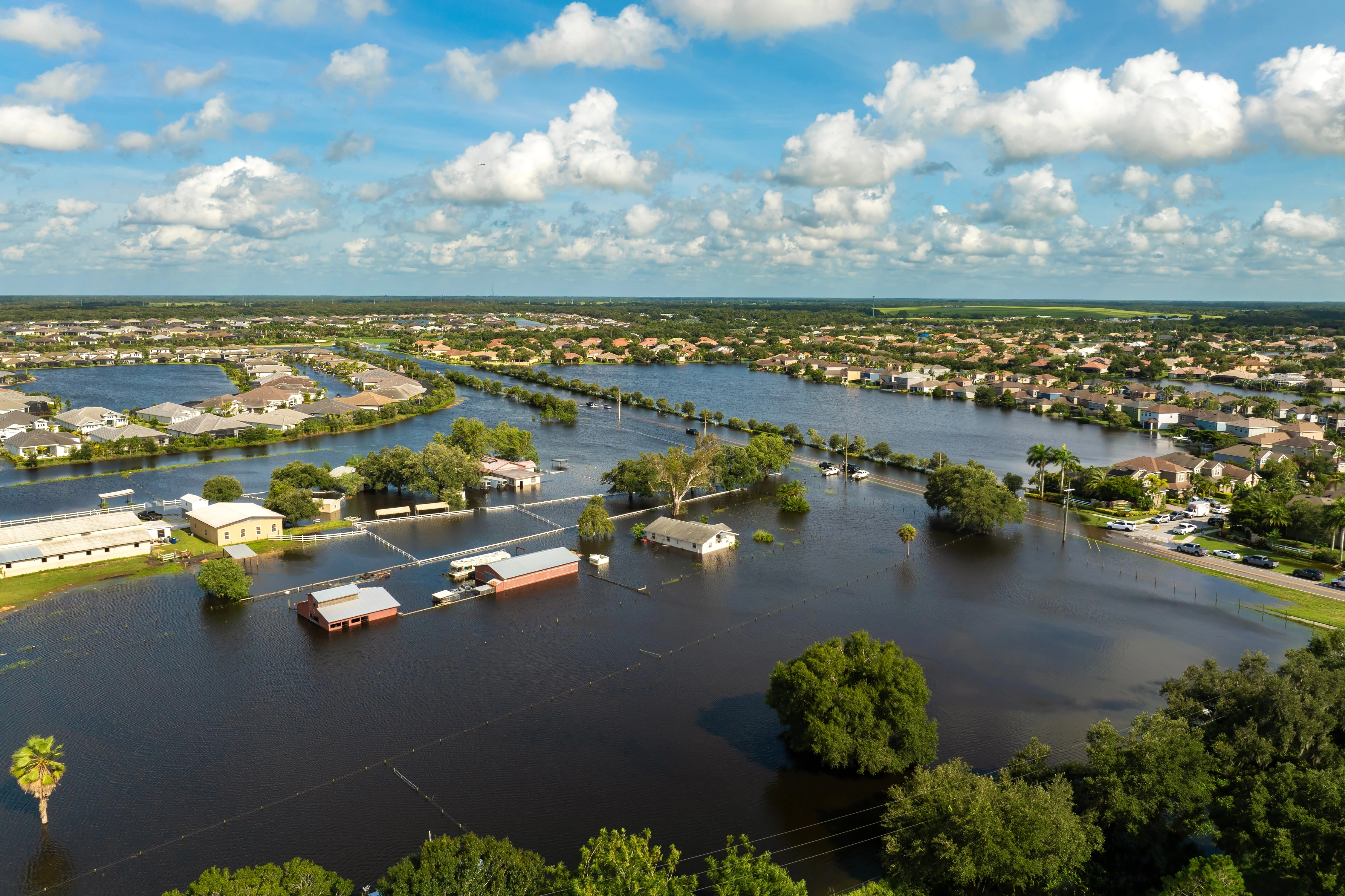
Across the Great Lakes region, heavy rain events frequently cause stormwater runoff and combined sewage overflows (CSOs) that threaten public water health and recreational spaces. Traditionally, monitoring for contaminants like E. coli is a labor-intensive and slow process. Water managers typically must travel to a site to collect samples and send them back to a laboratory, which typically takes 24 to 48 hours to produce results.
This operational delay creates a dangerous blind spot for public safety. By the time a confirmation is ready and a public warning is officially issued, the contamination event has already occurred, meaning swimmers, boaters, and park visitors may have already been exposed to hazardous conditions.
Trialing a Solution at Garfield Park Pond
For this deployment, the team installed the electronic sensor array into the mud near a dock at Garfield Park Pond. Cleveland Metroparks identified this urban recreation area as an ideal location because it faces complex, downhill stormwater dynamics.
While the technology was trialed previously at another location in Ohio using manual data logging, this project at Garfield Park Pond marks the innovator's first deployment with CWA. Ultimately, the continuous field data generated during this trial will be used to train machine learning and AI models to accurately predict future microbial water contamination events before they impact public recreation.
Cleveland Metroparks also utilizes another technology from CWA's innovation pipeline at this pond. Caddis Technologies' MANTA device is used to neutralize harmful algal blooms and protect the local ecosystem.
The Power of Real-Time Data
While other electrochemical monitoring concepts exist, they are primarily restricted to controlled laboratory settings. This deployment marks a major step forward because it brings those advanced analytical capabilities directly into the natural environment. Once the second phase of this deployment is entered, water managers will receive truly real-time insights into E. coli behavior rather than relying on delayed testing. This technology also has the potential to expand and track various other environmental parameters. By testing this technology in the field, CWA is helping water managers fill knowledge gaps of how soil conditions affect the quality of our water.
Driving Innovation Through Collaborative Partnerships
CWA and Cleveland Metroparks have had a multi-year partnership that spans across CWA’s different programming. This collaboration extends from their participation as Local Hubs for our Lake Erie Volunteer Science Network (LEVSN), to serving as a real-world testbed location for cutting-edge deployments, to purchasing proven technology from our innovation pipeline.
This collaborative model is what makes our testbed support infrastructure so unique. Cleveland Water Alliance scouts promising technologies that fill market needs and provides trialing and validation opportunities across diverse real-world settings. Partner host sites like Cleveland Metroparks are a vital part of this process; by providing innovators with direct access to real-world environments and essential feedback on user experience, technologies can be effectively tested, refined, and enhanced prior to entering the market.

.svg)


.webp)
.webp)
.webp)


