Invasive aquatic species pose severe ecological and economic threats to Lake Erie’s ecosystem and infrastructure, however modern technology is advancing detection and removal efforts.
Listen to this article
Lake Erie supplies drinking water to millions, powers our local economy, drives tourism, and supports a rich freshwater ecosystem. However, beneath the surface and along our coastlines, an ongoing challenge threatens the health of our water: invasive species.
What Are Invasive Species?
An invasive species is any living organism, including plants, animals, or micro-organisms, that is not native to a specific ecosystem and causes environmental, economic, or human health harm.
Lake Erie is uniquely vulnerable to these invaders. As the shallowest, warmest, and most biologically active of all the Great Lakes, it provides ideal growth conditions for aquatic life. However, these same characteristics make it an optimal breeding ground for non-native species. When introduced, invasive species encounter fewer natural environmental barriers, allowing them to spread rapidly and consume vital resources. This aggressive growth displaces native species, directly altering water quality, wildlife habitats, and the natural flow of local waterways.
Hundreds of non-native species have established populations within the Great Lakes basin. While they cross many biological categories, invasive aquatic plants and animals pose some of the most visible threats to the Lake Erie watershed.
Invasive Plants
Invasive vegetation degrades shorelines, blocks waterways, and alters natural habitats. While many plant species threaten Ohio waterways, a few present particularly severe management challenges:
- Phragmites (Phragmites australis / Common Reed): This towering grass grows in dense stands up to 15 feet tall along Lake Erie's shorelines and coastal wetlands. It crowds out native vegetation like cattails, destroys critical fish and bird habitats, blocks public access, and restricts natural water drainage.
- Hydrilla (Hydrilla verticillata): Known as one of the most aggressive aquatic weeds in North America, Hydrilla grows underwater to form thick, tangled mats. A fragment as short as an inch can sprout into a new plant, quickly overcrowding native submerged vegetation and entangling boat propellers.
- Eurasian Watermilfoil (Myriophyllum spicatum): Forming dense canopies on the water surface in shallow bays and tributaries, this submerged plant limits sunlight for native aquatic life and disrupts local water recreation.
Invasive Animals
Invasive fauna disrupt natural food webs, alter water chemistry, and harm native fish populations across the region:
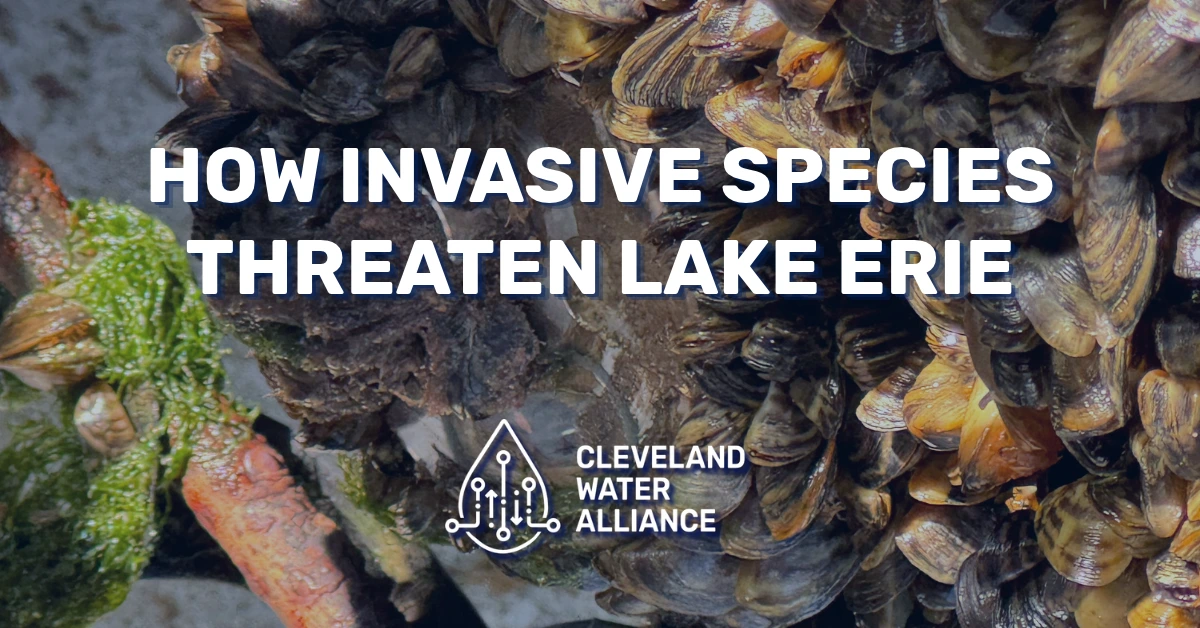
- Zebra & Quagga Mussels: Introduced through ocean-going ship ballast water (the water cargo ships pump into tanks to stay balanced during travel), these tiny shellfish multiply rapidly and coat underwater surfaces. They consume vast amounts of microscopic plankton, which strips the primary food source from native fish larvae and changes water clarity in ways that encourage harmful algal blooms.
- Sea Lamprey (Petromyzon marinus): These parasitic, eel-like fish latch onto native species like lake trout and walleye. A single sea lamprey can destroy up to 40 pounds of Great Lakes fish in its lifetime, placing severe pressure on commercial and recreational fisheries.
- Invasive Carp (Silver, Bighead, Grass, & Black Carp): These fish threaten Great Lakes food webs and native fish populations. Female carp can lay over one million eggs per year, allowing them to rapidly overwhelm native habitats. Silver and Bighead carp consume massive amounts of plankton, leaving less food for native fish like walleye and yellow perch, while Silver carp can also jump high out of the water, posing a physical hazard to boaters.
The Economic and Operational Impact
Invasive species carry severe economic and operational costs for communities across Ohio. On land, dense thickets of invasive shoreline plants alter natural water drainage and erode stream banks. Under water, thick mats of underwater plants and aggressive shoreline reeds block recreational boating, restrict access for anglers, and diminish waterfront property value.
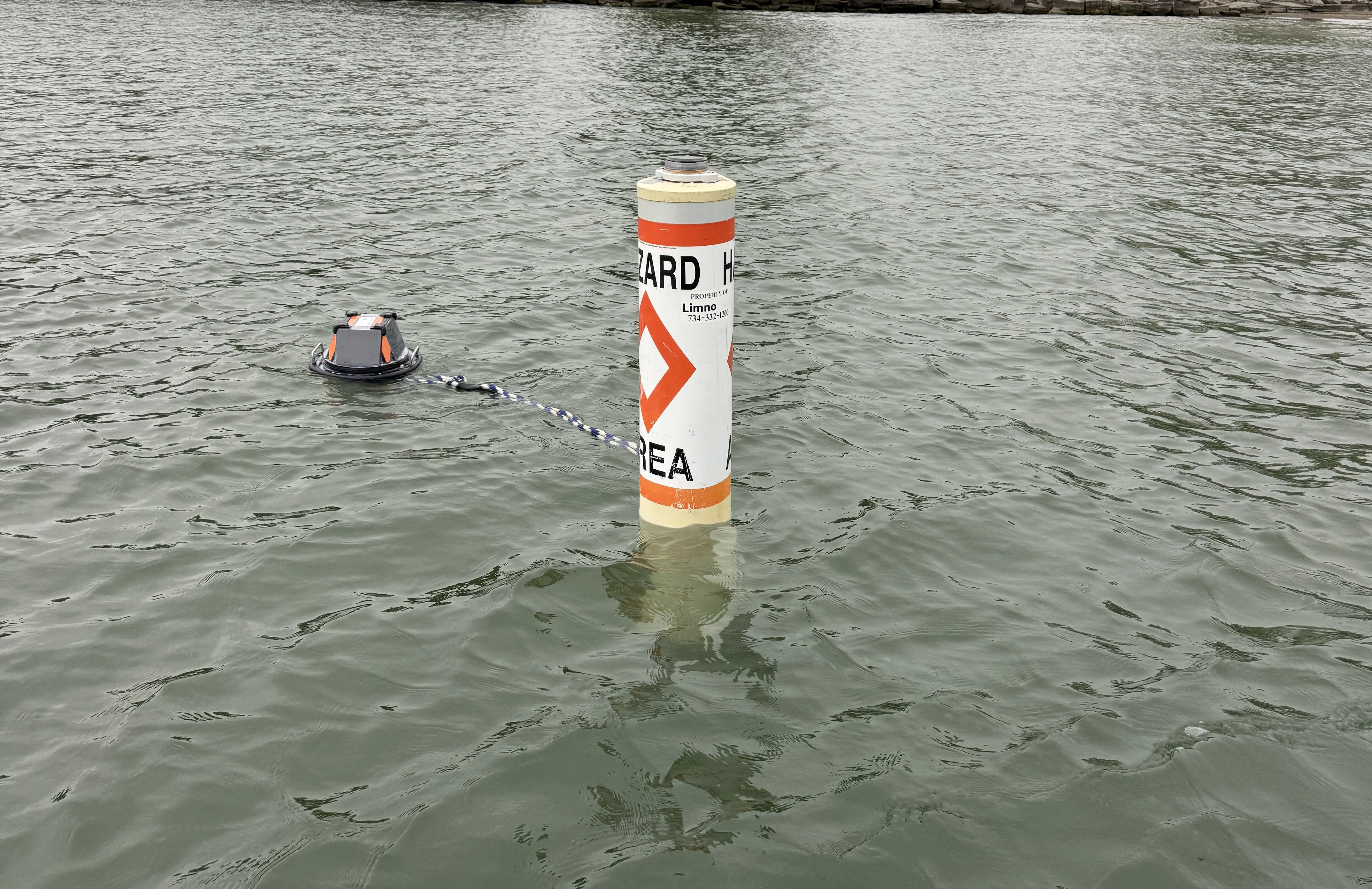
These invaders also disrupt critical infrastructure and field equipment. Hydrilla and invasive mussels frequently clog drinking water intakes, industrial cooling pipes, and agricultural irrigation systems. Clearing these blockages requires continuous physical maintenance and costly interventions, driving up operational expenses for public utilities and local industries. Mussels also attach themselves to submerged water-monitoring buoys and sensors, creating tough buildup that requires specialized labor to remove.
Early Detection of Invasive Species
Detecting an invasive species before it dominates a bay, riverbank, or wetland is the most critical step in protecting freshwater ecosystems. Traditionally, early detection has relied on manual observation including field teams, volunteer monitoring networks, and visual surveys. While these ground-level efforts provide valuable localized data, manually inspecting thousands of square miles of open water and coastline makes comprehensive coverage nearly impossible.
Modern technology bridges this gap by expanding monitoring efforts beyond what human observers can see alone. Remote water quality sensors, satellite imagery, and automated sampling tools track subtle changes in environmental conditions and flag emerging threats in real time. By identifying new populations early, these data-driven detection tools give resource managers the lead time needed to respond before an infestation becomes unmanageable.
Active Management of Invasive Species
Once an invasive species establishes a presence in an ecosystem, managing it requires swift physical or chemical intervention to prevent further spread. Conventional management relies heavily on manual labor, such as physically scraping zebra mussels off underwater structures, hand-pulling rooted weeds, or conducting targeted chemical treatments. While necessary, these traditional methods are labor-intensive, costly, and difficult to maintain over vast geographic areas.
Next-generation management tools are built to automate and scale these physical removal efforts. Autonomous surface vehicles, specialized rovers, and automated harvesting systems can navigate difficult shorelines or shallow waters to clear invasive biomass without risking human safety or draining local resources.
When paired together, smart detection systems can locate the problem early, and automated management tools can help streamline the response, creating a faster, more cost-effective approach to protecting our water systems.
Driving Innovation in Invasive Species Management
Managing aquatic invasive species in Lake Erie is a complex, ongoing challenge, but addressing it is essential to protecting our regional economy, public infrastructure, interconnected ecosystem, and freshwater resources.
At Cleveland Water Alliance, we are actively working to fill this market gap. By utilizing our testbed infrastructure to trial, evaluate, and advance emerging technologies in real-world conditions, we help accelerate the deployment of effective tools for invasive species detection and removal.