Cleveland Water Alliance is accelerating water tech commercialization through our testbed network. This year, we are deploying several innovative technologies to solve urgent freshwater challenges and bridge the gap between initial development and market entry.
Listen to this article
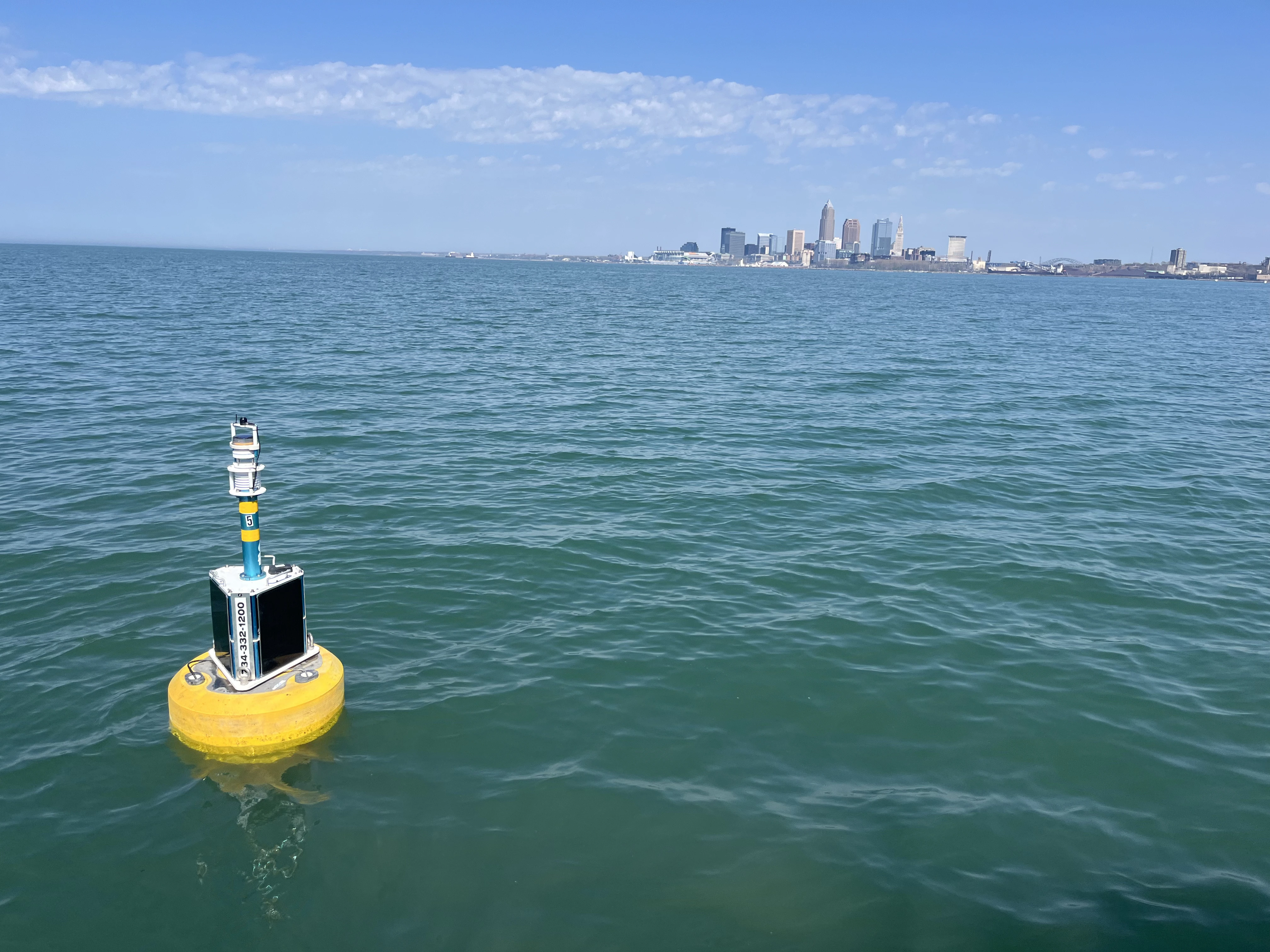
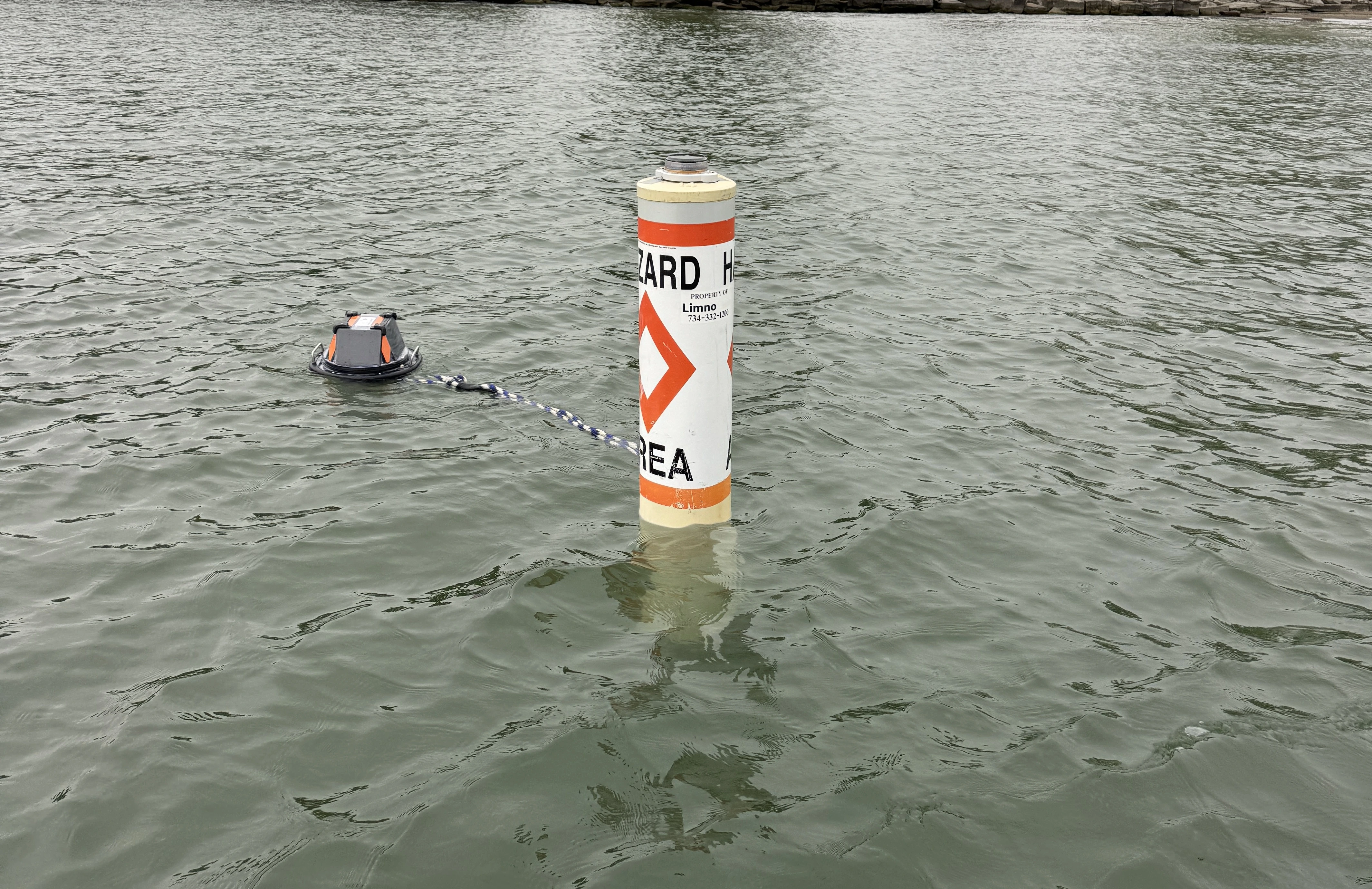
The buoys are back in the water, and our 2026 testbed deployment season is officially underway.
At Cleveland Water Alliance (CWA), we serve as a bridge for tech commercialization. We identify urgent market needs and work to trial and validate the technologies that can fill them. By testing new solutions in the varied environments of Lake Erie, as well as at various partner host sites, we ensure that these technologies have been thoroughly evaluated and trialed before they enter the market.
Identifying the Best Deployment Location
This season, we’ll be hosting up to 25 technology deployments. However, this number can change due to a variety of factors including weather conditions, shipping logistics, and evolving technical needs. Learn more here about the complexities and unpredictable nature of trialing.
Every technology has a specific goal, and our job is to identify the best location and "fit" to ensure the most accurate trial results. We work closely with each innovator to define exactly what they need to learn during their time in the testbed, matching those goals with the ideal environment. Some of these locations include inland lakes, ponds, offshore sites, streams, lab settings, and partner host sites like water utilities.
To ensure innovations are ready for field conditions, we also use graduated deployments in some cases. This process allows innovators to start in low-stakes, controlled environments, ensuring hardware and data flow are stable, before graduating to more challenging inland or offshore conditions.
Featured Technologies for the 2026 Season
This year's cohort highlights a diverse range of solutions aimed at addressing some of the most critical challenges in freshwater management and infrastructure.
HABs Toxicity Detection
The Problem: Traditional monitoring can detect the presence of an algal bloom, but it often cannot determine if the bloom is actually releasing dangerous toxins in real-time.
The Tech: Real-time sensors that use Machine Learning and AI to identify specific algal species and assess their toxicity levels instantly. This allows water utilities to make faster, more accurate decisions regarding water treatment and public safety.
Autonomous Invasive Species Management
The Problem: Heavily polluted or overgrown water bodies (marinas, rivers, and ponds) are difficult to clean and manage for invasive plants, floating debris, and harmful algal blooms.
The Tech: An autonomous vehicle designed specifically to harvest biomass and remove floating pollutants like plastics and oil spills from lakes, ponds, and rivers. Beyond physical cleanup, the vehicle collects water and sediment samples along with data to provide a complete picture of ecosystem health.
Anti-Biofouling Monitoring Buoys
The Problem: Sensors in harsh aquatic environments often become covered in algae or mussels, which degrades data quality and requires frequent, expensive manual cleaning.
The Tech: An affordable, solar-powered monitoring buoy featuring integrated UV-antifouling technology to keep water quality sensors clear.
Lead Service Line (LSL) Detection
The Problem: Identifying buried lead pipes typically requires expensive and disruptive excavation (digging).
The Tech: Several non-invasive technologies designed to detect lead pipes from the surface without “potholing” to the pipe. These trials will take place both at Cleveland Water’s Lead Service Line Research Facility and on active city streets to validate their ability to locate underground infrastructure accurately.
Continuous Microbial Monitoring
The Problem: Testing for contaminants like E. coli or coliform is traditionally a slow, manual process that requires significant time to produce results after a sample is collected.
The Tech: A single-unit fluorimetric sensor that provides continuous monitoring for microbial contamination. With integrated power and data transmission, it offers higher sensitivity than traditional sampling methods, delivering immediate alerts when water safety is compromised.
AI-Integrated Smart Buoys
The Problem: Raw water quality data can be difficult to interpret quickly enough to respond to rapid environmental changes.
The Tech: A compact smart buoy system that uses AI analytics to track critical metrics like pH, dissolved oxygen, and turbidity every 30 minutes.
Connecting Tech to the Market
To help these technologies successfully reach the market, we provide a "soft landing" through a range of business support services and mentorship. We work directly with innovators to navigate regulatory landscapes and connect them with the end users who will benefit most from their solutions.
In addition to this direct support, we also leverage our Pilot Partner Circular (PPC). The PPC is a bi-monthly newsletter that acts as a matchmaking tool between our innovators and our network of utility, industrial, and commercial partners. By managing the logistics and communications of pilot implementation, CWA makes it easier for stakeholders to explore and adopt these new solutions without the traditional overhead of scouting.
Interested in a first look at innovations like these? Reach out to our team at innovate@clewa.org for more information on joining the PPC.
Throughout the season, we will be sharing more details on these specific deployments, the evolution of the technology, and key insights into how these solutions perform in the field.

.svg)


.webp)
.webp)