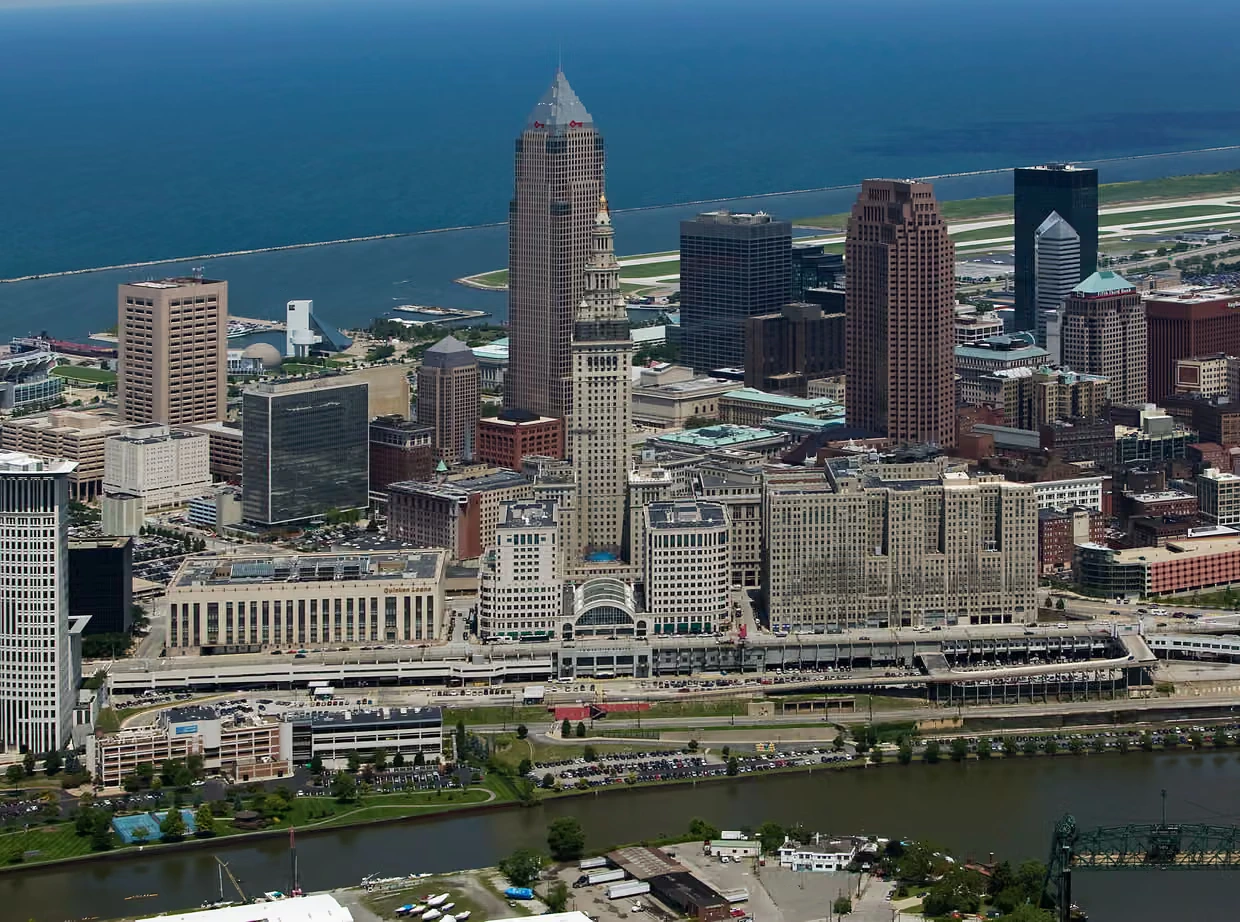
Cleveland Water Alliance was highlighted in The Guardian discussing how we have transformed Cleveland into a global destination for water innovation by facilitating international pilots with regional leaders.
Listen to this article
There was a time in the 1960s that the lakes and rivers around Cleveland were so polluted with petrochemicals and other contaminants that they frequently caught on fire.
While water quality on Lake Erie today has improved since the days of it being used as a large-scale industrial dumping ground for steel mills and chemical plants, it still struggles with poor water quality.
The 2025 State of the Great Lakes report released last month found that Lake Erie still ranks poorly for pollution caused by chemical runoff and is by far the biggest body of water to consistently rank in the top five of America’s most-polluted lakes.
All the while, upwards of 5.5bn gallons of freshwater are drawn from the lake each day – enough to fill 8,333 Olympic-size swimming pools – to meet industrial and consumer needs.
-----
“Several years ago, our civic leaders were asking: ‘Why aren’t we doing more with water? It’s our biggest natural asset.’ We figured our biggest issue around water was [the lack of] water tech,” says Bryan Stubbs of the Cleveland Water Alliance, a non-profit that’s working with about 300 companies, research institutions and government agencies to develop clean water solutions on and around Lake Erie that can be deployed across the world.
“This idea of test bedding became kind of the secret ingredient of what we’ve done here.”
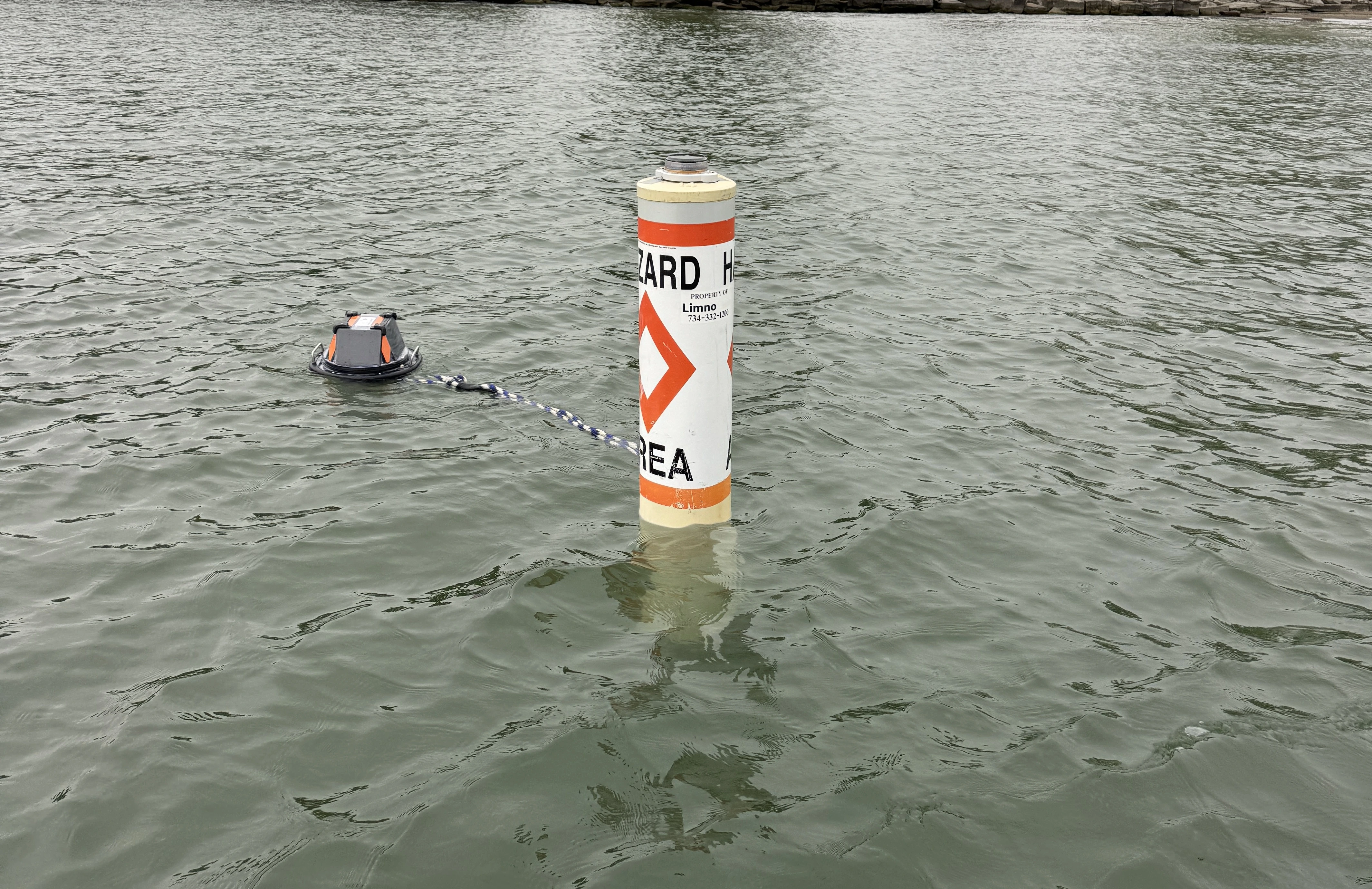
These efforts, the Cleveland Water Alliance claims, have turned Lake Erie, a body of water almost the size of Belgium, into the largest digitally connected freshwater body of water in the world with hundreds of sensor buoys dotted across the western section of the lake. These buoys give researchers real-time information on wave height and contaminant and pollution levels across 7,750 square miles both off-shore and on land.

.svg)


.webp)
.webp)