
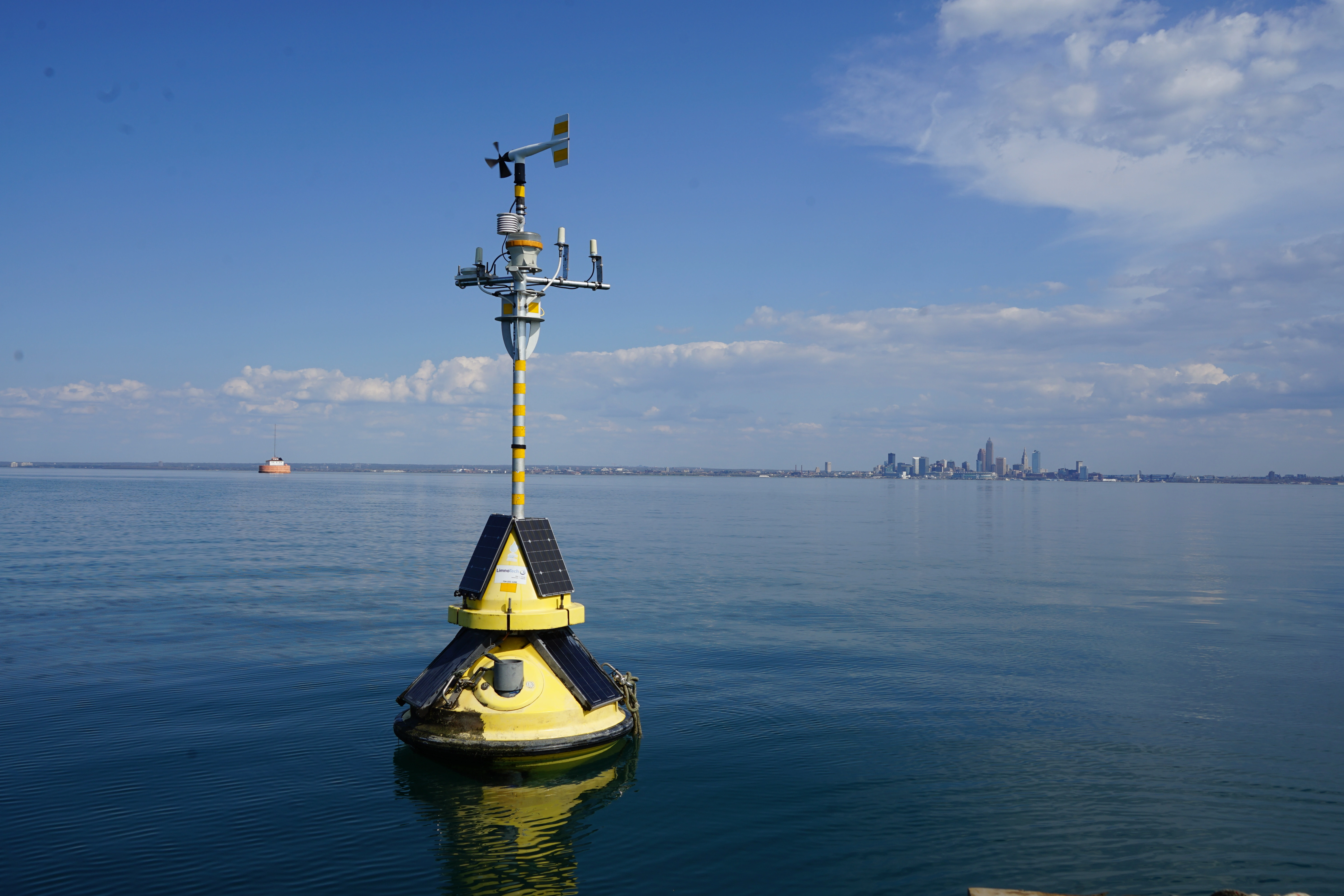
As the need for real-world water tech validation continues to grow, Cleveland Water Alliance (CWA) has seen an increase in demand and interest in our testbed network. We have selected our 2026 participants, prioritizing the most cutting-edge technologies to solve our region’s most pressing water challenges.
Listen to this article
While the demand for real-world water tech testing has never been higher, there are very few places where innovators can actually trial their technology in the field. Cleveland Water Alliance (CWA) is filling this critical market gap through our testbed network, which connects innovators with a wide variety of opportunities to test their technology across a range of real-world conditions.
We have officially finalized the selection of participants for our 2026 testbed deployment season. The global interest in our program has created a significant waitlist, requiring us to be highly selective in our intake. We are prioritizing cutting-edge technologies that address the most urgent challenges in water management to ensure that our resources are prioritizing market demand and focused where they can have the greatest impact. By carefully curating a cohort that tackles everything from emerging contaminants to smarter infrastructure monitoring, we are ensuring that our region remains at the forefront of freshwater innovation.
Prioritizing Innovation: Our Selection Process
Real-world testing requires significant logistical coordination, technical expertise, and maintenance throughout the season. Due to this, our team must prioritize technologies that have the potential for high impact and align with the specific needs of our regional partners.
"The demand for our testbed services currently exceeds our capacity for a single season," says Emily Hamilton, CWA’s Innovation Advocate and Deal Flow Analyst. "This has required us to move beyond a first-come, first-served model. We prioritize solutions that offer a new way of monitoring or managing water that hasn't been widely proven in the field yet. By focusing on these high-potential innovations, we maximize the value of the data and feedback we provide to the entire water sector."
A Market-Driven Approach
Over the years, our selection process has evolved from simply providing a space for trialing to a method of strategic curation. We don’t just test technology for the sake of testing; we focus on market-driven innovation. This means our team spends the off-season tracking global water trends, identifying emerging regulatory shifts, and meeting directly with end users.
By sitting down with utility managers, industrial operators, and municipal leaders, we identify the critical challenges they face. These unmet needs create market gaps: clear opportunities for more innovative solutions. We then leverage our testbed to identify and validate specific technologies equipped to address these needs.
Providing a Path to Adoption
Our refined process ensures that every deployment in our network has a clear purpose. We look for technologies that are ready to bridge the gap between a successful prototype and a commercially viable product. By focusing on these specific market needs, we ensure that our deployments don't just produce data, they provide a clear path to adoption for technologies that will make a difference in how our partners manage their water resources.
2026 Technology Priorities
For the upcoming season, we are planning for 19 deployments representing 7 countries. See our latest blog to learn why this number may shift due to the complex logistics of real-world field testing. These innovative technologies were selected as the best fits for the testbed based on their potential to improve the way we understand and manage our water resources.
Here is a look at some of the types of technology we are featuring this year:
- Underwater Robots: Utilizing underwater vehicles (AUVs) to explore uses such as providing safer, more efficient seafloor mapping and inspection of utility assets like intake pipes.
- Emerging Contaminant Detection (PFAS): Trialing sensors designed for the real-time detection of "forever chemicals.”
- Smart Monitoring for Harmful Algal Blooms (HABs): Deploying specialized sensor platforms that detect actual cyanotoxins produced by algal blooms rather than just measuring general indicators.
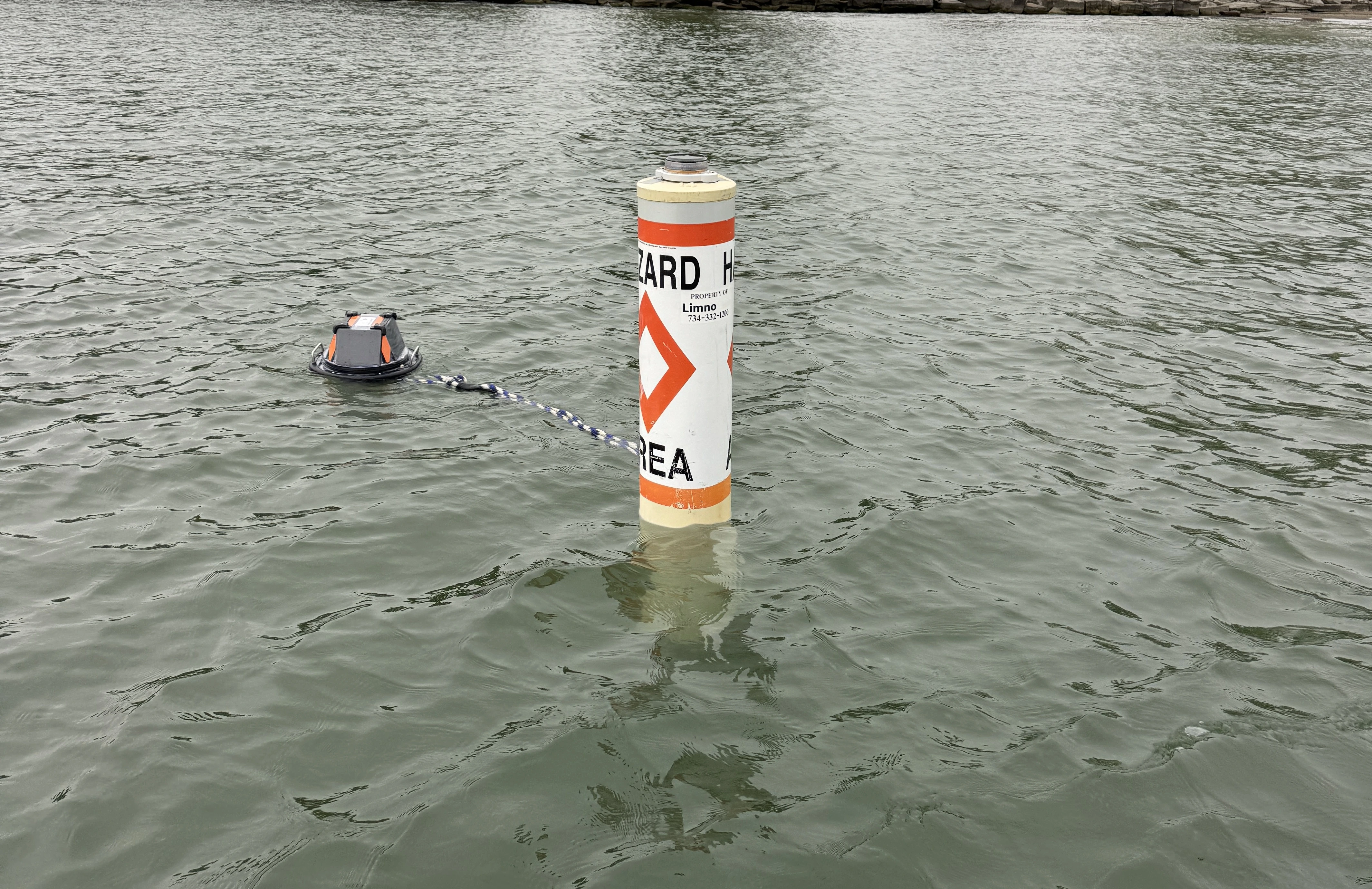
- Compact Smart Buoys: Testing smaller, more affordable buoy platforms to make water monitoring more scalable for communities.
- Sensing Platforms Powered by Renewable Energy: Harnessing the kinetic energy of waves to generate power for monitoring.
Following the 2026 Season
As our deployments for the 2026 season move forward, we will be sharing updates and stories from the field to highlight these innovations in action. Deployments are slated to begin this April. While our 2026 cohort has been selected, CWA continues to engage with new innovators on a rolling basis to discuss future intake and trialing opportunities. By providing the specialized support needed to move technology from development into the field, we continue to fill a vital market gap that allows the most promising water solutions to be proven and validated.

.svg)


.webp)
.webp)
.webp)


